📋 Quick Details
| Key Players | United States, Iran |
|---|---|
| Critical Waterway | Strait of Hormuz |
| Primary US Demand | Halt ship attacks |
| Trump's Warning | Retaliation for assassination plot |
| Recent Impact | Tanker traffic plunge, ship attacks |
| Strategic Importance | Global oil & gas transit |
| Escalation Period | Recent months |
| International Concern | Freedom of navigation |
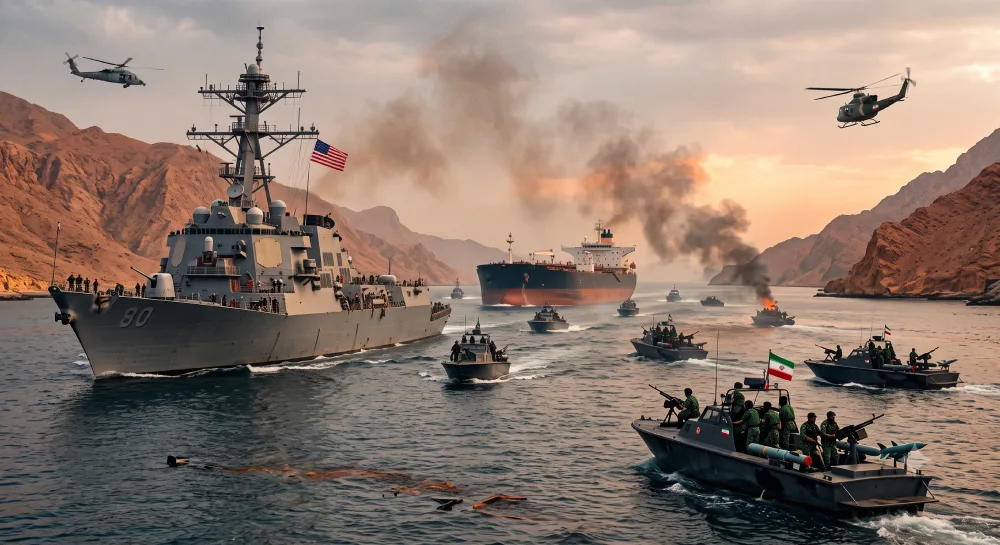
The geopolitical landscape remains volatile, particularly concerning the strategic waters of the Persian Gulf. Heightened **US Iran Strait of Hormuz tensions** are dominating international headlines. The United States has recently issued stern demands to Iran, insisting that Tehran publicly pledge to cease all attacks on commercial vessels navigating the crucial Strait of Hormuz. This critical waterway, a vital artery for global energy supplies, has become a flashpoint for renewed confrontations. Iran’s actions, coupled with assertive rhetoric from Washington, underscore a deeply complex and dangerous standoff.
This period of instability also features dramatic warnings from former U.S. President Donald Trump, who has revealed instructions for severe retaliation against Iran should he be assassinated. Such statements further inject unpredictability into an already delicate situation. International observers are closely monitoring developments, as any miscalculation could have far-reaching consequences for global trade and security. The situation demands a detailed examination of its historical roots, current manifestations, and potential future trajectories.
The Strategic Imperative of the Strait of Hormuz
The Strait of Hormuz holds unparalleled importance on the global stage. It represents a narrow, yet critically significant, waterway connecting the Persian Gulf to the Arabian Sea and beyond. This geographical chokepoint is fundamental to international maritime trade. Its strategic location makes it indispensable for the global economy.
Specifically, the Strait facilitates the transit of a substantial portion of the world’s oil and liquefied natural gas (LNG). Therefore, any disruption here sends ripples throughout global energy markets. Approximately one-fifth of the world’s total petroleum consumption, including crude oil and refined products, passes through this narrow channel daily. This volume underscores its economic importance. Countries worldwide, especially major energy consumers, rely heavily on its uninterrupted flow.
Furthermore, the Strait’s vulnerability to disruptions is a constant source of international concern. Its narrowest point is only about 21 nautical miles wide. Consequently, it is easily susceptible to blockades or interference. Such an event would inevitably lead to skyrocketing energy prices and significant supply chain interruptions globally. Therefore, maintaining freedom of navigation through the Strait of Hormuz is a paramount security interest for numerous nations.
A History of US Iran Strait of Hormuz Tensions
The current **US Iran Strait of Hormuz tensions** are not isolated incidents. Rather, they are deeply rooted in decades of complex and often adversarial relations between Washington and Tehran. The history of antagonism between the two nations dates back to the 1979 Iranian Revolution. This event fundamentally reshaped the geopolitical landscape of the Middle East. Subsequently, mutual distrust and strategic competition have characterized their interactions.
The period surrounding the Joint Comprehensive Plan of Action (JCPOA), commonly known as the Iran nuclear deal, offered a brief reprieve. This multilateral agreement, signed in 2015, aimed to curb Iran’s nuclear program in exchange for sanctions relief. However, the U.S. withdrawal from the JCPOA in 2018 under the Trump administration proved to be a turning point. This decision significantly exacerbated existing tensions. It also led to the re-imposition of crippling sanctions on Iran.
Moreover, the Strait of Hormuz has repeatedly served as a stage for direct and indirect confrontations. Various incidents involving naval vessels, tankers, and drones have occurred there over the years. These events consistently highlight the strategic sensitivity of the area. Each episode has added layers of complexity to the bilateral relationship. Therefore, the current escalations must be viewed within this broader historical context of deep-seated animosity and a constant struggle for regional influence. The sanctions, in particular, have created immense economic pressure on Iran, frequently cited by Tehran as a justification for its assertive posture.
Recent Escalations and US Demands on Iran
The recent period has witnessed a notable surge in confrontational actions and rhetoric. Central to these developments is the explicit demand from the United States. Washington is now insisting that Iran make a clear, public commitment to cease all attacks on ships in the Strait of Hormuz. This demand reflects a growing impatience with Iran’s perceived pattern of aggression. American officials believe such a pledge is crucial for regional stability.
The U.S. has also pressed for Iran to declare publicly that the Strait of Hormuz remains open for international navigation. This insistence aims to reinforce established international maritime law. It would also counter any implicit claims of sovereignty over the strait that Iran might assert. Such a declaration is seen as a baseline requirement for de-escalation. Without it, trust remains eroded.
Evidence of the heightened risk is palpable in maritime activity itself. Reports indicate that tanker traffic through the Strait of Hormuz has significantly plunged. This reduction in traffic suggests that shipping companies are growing increasingly wary of the dangers. Consequently, the commercial impact of these tensions is already being felt. Shipping firms may seek alternative, longer, and more costly routes to avoid potential conflict zones.
Furthermore, there are serious allegations regarding Iran’s direct involvement in recent incidents. Specifically, reports accuse Iran of attacking at least 27 commercial ships in the Strait of Hormuz. These alleged actions include missile strikes and seizures, causing significant alarm within the international community. Such incidents disrupt global supply chains and endanger seafarers. They also directly challenge the principle of freedom of navigation.
Adding another layer of complexity, a United Nations agency document has reportedly advised countries not to recognize Iran’s claim of sovereignty over Hormuz. This document reinforces the international legal stance that the strait is an international waterway. Iran, however, has vehemently rejected these allegations and dismisses any notion of its claims being unrecognized. Tehran maintains its actions are defensive and within its sovereign rights.
In response to the volatile situation, European nations are reportedly considering various proposals. These include allowing navigational fees in the Strait of Hormuz. Such a measure, if implemented, could be a controversial way to manage traffic or potentially fund security operations. However, it also raises questions about sovereignty and international maritime law. The overall situation points to a critical need for de-escalation and adherence to international norms. The continued provocations only serve to heighten **US Iran Strait of Hormuz tensions**, making resolution ever more elusive.
Trump’s Dire Warnings Amidst US Iran Strait of Hormuz Tensions
The already fraught environment has been further complicated by recent remarks from former U.S. President Donald Trump. His statements introduce an exceptionally aggressive and potentially destabilizing element into the ongoing **US Iran Strait of Hormuz tensions**. Trump explicitly revealed severe revenge instructions should he be assassinated. Specifically, he stated he would order to “Bomb Iran like never before.” This declaration signals an intent for overwhelming military retaliation.
This rhetoric emerged in the context of alleged Iranian plots. Reports from sources like CNN claimed that Israel shared intelligence with the U.S. regarding an Iranian scheme to assassinate Trump. Such intelligence, whether confirmed or not, clearly fuelled the former president’s strong warnings. He indicated that “missiles are aimed at Iran” if Tehran targets any U.S. president. This creates a direct and highly personal dimension to the geopolitical standoff.
Moreover, Trump emphasized the scale of potential retaliation. He issued a “mega warning” about Iran’s alleged assassination plan. He claimed “1,000 missiles locked, loaded” and ready for deployment. This specific numeric detail, though perhaps rhetorical, aims to convey a readiness for massive military action. Such pronouncements from a former commander-in-chief, who might potentially return to office, carry immense weight.
The implications of such warnings are profound. They project an image of an unpredictable and potentially ruthless response from the United States. This could either deter or provoke further actions from Iran. Furthermore, these statements could embolden hardliners on both sides. They certainly heighten the overall sense of crisis surrounding the Strait of Hormuz. The former president’s public declarations effectively serve as a public deterrent, albeit one that carries significant risks of escalating the conflict through misinterpretation or aggressive countermeasures. These warnings underscore the deep mistrust and hostility that continue to define a significant part of the US-Iran relationship, particularly impacting how the **US Iran Strait of Hormuz tensions** are perceived globally.
Iran’s Perspective and Strategic Calculus
Understanding Iran’s actions requires a look into its own strategic calculus and internal motivations. From Tehran’s viewpoint, its assertive posture in the Strait of Hormuz is often a response to perceived external pressures and threats. The country has been under severe international sanctions, primarily imposed by the U.S., for many years. These sanctions have crippled Iran’s economy. Consequently, they limit its access to international markets and financial systems. Iran views these sanctions as economic warfare.
Therefore, Iran frequently uses its geographical control over the Strait as a strategic asset. It represents a significant leverage point against its adversaries. By threatening to disrupt oil flows, Iran aims to exert pressure on the international community. This strategy encourages a reconsideration of sanctions and other hostile policies. It showcases Iran’s capability to inflict economic pain globally.
Furthermore, Iran’s actions are often influenced by its internal political dynamics. Hardliners within the Iranian leadership often advocate for a confrontational stance. They believe this approach best defends national sovereignty and revolutionary ideals. This internal political climate makes compromise difficult. It also contributes to a more aggressive foreign policy, especially concerning the Strait.
Iran consistently denies allegations of unprovoked attacks. Instead, it frames its actions as legitimate defense of its territorial integrity and national interests. Tehran often accuses the U.S. and its allies of escalating tensions through military presence and provocative maneuvers in the Persian Gulf. It also rejects claims made by the UN agency regarding its sovereignty over parts of the Strait. This narrative allows Iran to justify its behavior both domestically and on the international stage.
In essence, Iran’s actions in the Strait of Hormuz are multifaceted. They are a direct response to economic hardship, a demonstration of strategic leverage, and a reflection of domestic political priorities. This complex interplay ensures that **US Iran Strait of Hormuz tensions** remain exceptionally challenging to resolve.
Global Repercussions and Diplomatic Challenges
The ongoing **US Iran Strait of Hormuz tensions** cast a long shadow over global stability and prosperity. Any significant disruption in this vital waterway would have immediate and severe repercussions. Primarily, it would dramatically impact international trade. Supply chains, already fragile from recent global events, would face unprecedented strain. Major industries, from manufacturing to retail, rely on the smooth flow of goods through key maritime routes.
Moreover, the most palpable effect would be on global energy prices. A blockade or prolonged conflict in the Strait of Hormuz would drastically curtail oil and gas supplies. This scarcity would inevitably lead to a sharp increase in prices. Consequently, consumers and businesses worldwide would bear the brunt of higher energy costs, potentially triggering economic downturns. This risk makes the situation a concern for every nation.
The primary danger lies in the risk of miscalculation. Minor incidents can rapidly escalate into broader, open conflict. Given the heavy military presence in the region, including U.S. naval forces and Iran’s Revolutionary Guard Corps, the potential for unintended clashes is high. Such an escalation could destabilize the entire Middle East. This could then draw in other regional and global powers, creating a much wider international crisis.
International bodies play a crucial, yet often challenging, role in these circumstances. Organizations like the United Nations and various maritime organizations work to uphold international law and ensure freedom of navigation. However, their influence can be limited when powerful nations are in direct confrontation. Diplomatic efforts often face significant hurdles. The deep-seated mistrust between the U.S. and Iran, coupled with Iran’s internal political complexities, often hinders constructive dialogue.
Currently, clear diplomatic pathways for de-escalation appear elusive. Both sides seem entrenched in their positions, with demands and counter-demands dominating the discourse. Therefore, finding a mutually acceptable solution requires innovative diplomacy and a willingness from all parties to step back from the brink. The global community remains deeply concerned. They understand that a failure to manage these tensions could lead to catastrophic outcomes.
Navigating the Future of US Iran Strait of Hormuz Tensions
The future trajectory of **US Iran Strait of Hormuz tensions** remains uncertain and precarious. There is a constant push-pull between the potential for de-escalation and the ever-present risk of further conflict. Diplomatic channels, though strained, offer the only viable path to diffuse the current crisis. However, achieving de-escalation requires significant political will from both Washington and Tehran. It also demands a mutual commitment to direct engagement.
A robust de-risk strategy is essential. This strategy should involve clear communication protocols between naval forces in the region. It should also include a commitment to avoiding provocative maneuvers. Transparency and restraint from all parties could help prevent accidental confrontations. These incidents could otherwise easily spiral out of control.
The long-term stability of the Middle East is intrinsically linked to the resolution of these tensions. The region has endured decades of conflict and instability. Furthermore, ongoing confrontations in the Strait only add another layer of complexity. Therefore, achieving lasting peace requires addressing the underlying grievances and security concerns of all regional actors. This includes Iran’s concerns about its security and economic well-being.
The complex interplay of global powers also shapes this dynamic. Major world powers like China and Russia have significant interests in the Middle East. They also rely on the free flow of energy through the Strait. Their diplomatic influence could be crucial in encouraging dialogue and moderation. However, their own geopolitical objectives often complicate their roles. Each nation has its own strategic calculations regarding the region.
Ultimately, navigating the future requires a delicate balance of deterrence and diplomacy. While the U.S. seeks to deter Iranian aggression, it must simultaneously keep open avenues for communication. Iran, conversely, needs to find ways to express its grievances without resorting to actions that jeopardize global commerce. The international community, therefore, must continue to advocate for peaceful resolutions. It must also uphold international maritime law in this critical global waterway. The stakes are simply too high for any other approach.
The heightened **US Iran Strait of Hormuz tensions** represent a significant challenge to global peace and economic stability. The United States’ demands for Iran to halt ship attacks, coupled with the dramatic warnings from former President Trump, paint a picture of a region on the brink. The Strait of Hormuz remains a vital chokepoint, indispensable for global energy and trade. Its vulnerability ensures that any disruption has far-reaching consequences. Both historical antagonism and current economic pressures fuel Iran’s assertive actions. This makes the situation particularly difficult to resolve. The risk of miscalculation leading to broader conflict is a constant and serious concern. International efforts for de-escalation are paramount. A path towards sustained dialogue and mutual understanding is urgently needed. Without such a resolution, the region, and indeed the world, will remain hostage to the volatility of this critical geopolitical flashpoint.
For more real-time news updates and announcements, visit our homepage.