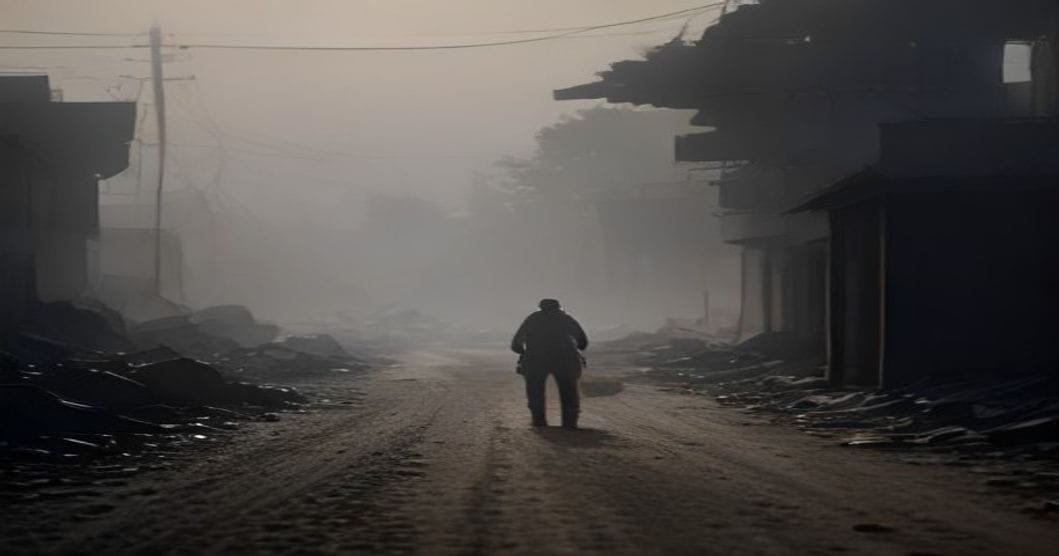
The recent events at the border between Spain and Morocco have once again thrust the Spanish enclave of Ceuta into the global spotlight. What began as a massive influx of migrants quickly escalated into a complex humanitarian and diplomatic challenge. This surge, often referred to as a deadly border rush, saw tens of thousands of individuals attempting to cross into Spanish territory. The ensuing humanitarian response and the eventual return of most migrants to Morocco underscore the multifaceted nature of the ongoing Ceuta migrant crisis.
Understanding this crisis requires a detailed examination of its historical roots, immediate triggers, and profound implications. The situation unfolded rapidly, captivating international attention and prompting urgent calls for action. It highlighted the persistent pressures on Europe’s southern borders and the intricate relationship between Spain and Morocco.
Historical Context: Ceuta’s Unique Position
Ceuta holds a distinctive and often contested geographical and political status. It is one of two Spanish enclaves located on the northern coast of Africa, bordering Morocco. Melilla is the other. These cities have been under Spanish sovereignty for centuries, representing the European Union’s only land borders with an African nation.
This unique positioning makes Ceuta a critical flashpoint in migration dynamics. It functions as a gateway for many seeking to reach Europe. The city’s status provides a direct entry point into the Schengen Area, albeit one that is heavily fortified. Its history is rich with cultural exchange and strategic importance.
However, this very proximity also creates enduring challenges. It places Ceuta at the forefront of migration pressures from across Africa. The city’s small size and finite resources are frequently strained by these continuous movements of people. Consequently, its role in the broader narrative of European migration remains pivotal.
The Unprecedented Scale of the Influx
The recent border rush was remarkable in its sheer scale and suddenness. Reports indicated that approximately 60,000 individuals crossed into Ceuta within a very short period. This massive number overwhelmed local authorities and existing infrastructure almost instantly.
Many migrants resorted to desperate measures to reach Spanish soil. A significant portion swam around the breakwaters and fences separating Ceuta from Morocco. Others attempted to scale the formidable border fences directly. The images of thousands of people navigating the waters and land borders quickly circulated worldwide.
This unprecedented influx underscored the immense desperation driving these individuals. It also highlighted the vulnerabilities in border security, despite the significant defenses in place. The sheer volume of people rendered conventional border control measures largely ineffective against such a determined wave.
Methods of Entry During the Ceuta Migrant Crisis
- Swimming around barriers: Many migrants, including families, entered the water to bypass physical land barriers.
- Scaling border fences: Despite barbed wire and multiple layers, some attempted to climb the high fences.
- Exploiting perceived opportunities: A momentary relaxation or diversion of border patrols may have been perceived as an opening.
The suddenness of the event further amplified the challenges. Authorities had little time to prepare for such a large-scale humanitarian emergency. This rapid onset made effective coordination and response incredibly difficult in the initial hours.
Reasons Behind the Rush: Push and Pull Factors
Understanding the motivations behind such a massive migration event is crucial. A combination of ‘push’ and ‘pull’ factors typically drives these movements. In the context of the Ceuta migrant crisis, these forces converged powerfully.
Economic hardship stands as a significant driving force behind the Ceuta migrant crisis. Many individuals in Morocco and other African nations face pervasive unemployment. Limited prospects for education and professional advancement further exacerbate this dire situation. Consequently, seeking better economic opportunities often becomes a primary motivator.
Political instability and conflict in various sub-Saharan African countries also push people from their homes. These conditions create an environment of insecurity and hopelessness. People often flee persecution, violence, or a lack of basic human rights. The dream of safety and stability in Europe becomes a powerful incentive.
The ‘pull’ factors, primarily the perceived opportunities in Europe, are equally compelling. Europe represents a beacon of hope for many, promising employment, education, and a better quality of life. Even rumors or misinformation about easier entry can trigger large movements of people. These aspirations, though often difficult to achieve, fuel the perilous journeys.
Crucially, underlying diplomatic tensions between Spain and Morocco also played a catalytic role. Periodic disputes between the two nations can sometimes manifest at their shared borders. These political undercurrents can influence how border control is managed, directly impacting migrant flows. Such events serve as stark reminders of the interconnectedness of geopolitics and human migration.
Spain’s Immediate Response and Humanitarian Challenge
The Spanish authorities faced an immense challenge during the influx. Their immediate response involved deploying additional military and police forces to the border. This rapid deployment aimed to regain control and manage the overwhelming number of arrivals.
However, the situation quickly evolved into a significant humanitarian crisis. Thousands of people, many of them minors, arrived without food, water, or shelter. Providing basic necessities became an urgent priority for local and national authorities. Makeshift reception centers were rapidly established to house and process the new arrivals.
Medical teams were also deployed to address injuries and health concerns among the migrants. The sheer volume of people made these efforts incredibly demanding. International aid organizations and volunteers often stepped in to assist the strained local resources. This collaborative effort highlighted the gravity of the situation.
The humanitarian aspects of the Ceuta migrant crisis garnered significant international attention. Concerns were raised about the welfare of the most vulnerable, particularly unaccompanied minors. Spain’s efforts to manage this unprecedented influx were under close scrutiny from human rights groups and international observers.
Key Aspects of Spain’s Response
- Security Reinforcement: Military and police units were mobilized to the border.
- Humanitarian Aid: Provision of food, water, and emergency shelter.
- Medical Assistance: Teams attended to injuries and health needs.
- Processing and Screening: Efforts to identify individuals and determine their status.
- International Cooperation: Engagement with EU and UN agencies for support.
The focus remained on balancing border security with humanitarian obligations. This delicate balance is a constant challenge in managing such large-scale migration events. The immediate aftermath required swift and decisive action on multiple fronts.
The Swift Return to Morocco: Reasons and Logistics
One of the most striking aspects of the Ceuta migrant crisis was the rapid return of most migrants to Morocco. Spanish authorities initiated a swift repatriation process. This decision was driven by the sheer scale of the influx and the diplomatic arrangements between the two countries.
Many migrants reportedly chose to return voluntarily. Accounts emerged of individuals citing difficult conditions in Ceuta, including a lack of food and perceived harsh treatment. The initial hope of reaching mainland Europe quickly faded for many once they encountered the realities on the ground. The dream of an immediate passage often met with disappointment.
Moroccan authorities played a crucial role in facilitating these returns. Bilateral agreements between Spain and Morocco allow for the swift repatriation of irregular migrants. This cooperation is vital for both nations in managing border flows. The logistical challenge of returning thousands of people was immense, requiring coordinated efforts.
However, these repatriation processes also raised human rights concerns. Critics questioned the speed of returns and the potential lack of due process for individuals. The vulnerability of minors, especially, became a significant point of contention. Ensuring the rights and safety of all individuals during such operations remains paramount.
The legal framework governing these returns is complex. It involves international law, bilateral agreements, and national immigration policies. The rapid processing and return operations underlined the urgent nature of the crisis. These actions aimed to restore order and demonstrate control over the borders.
International Reactions and Global Condemnation
The events in Ceuta triggered widespread international reactions and, in some cases, condemnation. European Union officials expressed solidarity with Spain. They reiterated the need for common European approaches to migration management. The EU emphasized that its external borders must be protected.
Human rights organizations, however, voiced serious concerns. They called for greater protection for migrants, particularly unaccompanied children. Reports of pushbacks and swift repatriations without proper individual assessment drew criticism. These groups consistently advocate for humane and lawful treatment of all migrants.
Political leaders from various countries also weighed in. Comments from figures like Donald Trump, who reportedly ‘lashed out’ over the migrant ‘catastrophe,’ highlighted the polarized nature of the debate. Such statements often reflect broader anxieties about immigration in many Western nations. They underscore the sensitive political landscape surrounding migration.
The United Nations also urged both Spain and Morocco to uphold international law. They stressed the importance of protecting the rights of migrants and asylum seekers. The incident served as a stark reminder of the humanitarian imperative at play. International bodies consistently call for dignified treatment and due process.
The global response underscored the complexity of the Ceuta migrant crisis. It is not merely a bilateral issue but a challenge with far-reaching international implications. The eyes of the world were on Ceuta, monitoring how this unprecedented situation would be managed.
Diplomatic Fallout Between Spain and Morocco
The border rush severely strained diplomatic relations between Spain and Morocco. While both nations share a long history of cooperation on migration, such incidents often expose underlying tensions. The dispute over the Western Sahara, for example, frequently influences their bilateral ties.
Spain and Morocco are crucial partners in controlling migration flows from Africa to Europe. Effective border management relies heavily on their collaboration. However, the events in Ceuta revealed cracks in this partnership. Spain accused Morocco of lax border control, while Morocco hinted at political motives behind the sudden influx.
The diplomatic fallout extended beyond mere accusations. It impacted other areas of their relationship, including trade and security cooperation. Both countries recognized the need to de-escalate tensions and re-establish constructive dialogue. Their shared interest in regional stability necessitates ongoing engagement.
Resolving these diplomatic rifts requires careful negotiation and a commitment to mutual understanding. The incident served as a powerful reminder of the delicate balance in their relationship. Future border management strategies will undoubtedly be influenced by the lessons learned from this particular crisis. The intricacies of this relationship are constantly evolving.
Areas of Diplomatic Strain
- Border Control: Accusations of negligence or deliberate relaxation of controls.
- Political Agendas: Suspicions of using migration as a leverage point.
- Human Rights: Disagreements over the treatment and repatriation of migrants.
- Bilateral Agreements: Review and potential renegotiation of existing cooperation frameworks.
The stability of the Spanish-Moroccan border is critical for both regional and European security. Therefore, maintaining open and effective communication channels is paramount. This allows for addressing migration challenges collaboratively rather than confrontationally. The events demonstrated the importance of robust diplomatic ties.
The Broader European Migration Context
The Ceuta migrant crisis cannot be viewed in isolation. It is a potent reflection of the broader European migration challenge. Europe’s southern borders, including those of Spain, Italy, and Greece, face continuous pressure from migrants and asylum seekers. These external borders are often the first point of contact for individuals seeking entry into the EU.
The incident in Ceuta reignited calls for a more unified and coherent European migration policy. Member states often hold differing views on burden-sharing and border management. This lack of consensus can hinder effective collective responses to crises. The EU’s migration pact, currently under discussion, aims to address some of these disparities.
The crisis also highlighted the need for greater solidarity among EU member states. Spain, as a frontline country, often bears a disproportionate share of the migration burden. Calls for financial assistance and operational support from other EU nations became more urgent. A truly European response requires shared responsibility.
Furthermore, the Ceuta events underscored the importance of external partnerships. Collaboration with non-EU countries, particularly those in North Africa, is crucial. These partnerships aim to address the root causes of migration, manage borders, and combat human trafficking. The EU recognizes that a comprehensive approach must extend beyond its own borders.
The situation in Ceuta serves as a powerful case study for European policymakers. It demonstrates the volatility of migration flows and the need for adaptable strategies. Learning from this crisis is essential for developing more resilient and humane migration policies across the continent. This continuous learning process is vital.
Impact on Migrants: A Human Perspective
Behind every statistic and diplomatic maneuver lies a deeply personal human story. The migrants involved in the Ceuta crisis often undertake perilous journeys driven by desperation and hope. Their experiences are marked by significant challenges, dangers, and profound uncertainty.
Many individuals risked their lives, swimming across cold waters or navigating dangerous border fences. They often leave behind families, homes, and everything familiar. The immediate aftermath of arrival in Ceuta was often one of confusion and fear. The promised land frequently presented new obstacles rather than immediate solutions.
The vulnerability of unaccompanied minors was particularly poignant. These children and adolescents, separated from their families, faced immense risks. They are highly susceptible to exploitation and trauma. Protecting these young individuals is a moral imperative and a legal obligation under international law.
For those who were swiftly returned to Morocco, the experience was often one of dashed hopes. Many had invested significant resources and endured great hardship for a chance at a better life. The return meant facing the same challenges they had sought to escape. This cycle of hope and disappointment is a harsh reality for many migrants.
The psychological toll of such experiences is immense. Trauma, stress, and anxiety are common among those who undertake these journeys. Providing adequate support and care for these individuals is a critical, yet often overlooked, aspect of migration management. The human cost of the Ceuta migrant crisis remains a central concern.
Long-Term Implications and Future Challenges
The Ceuta migrant crisis carries significant long-term implications for Spain, Morocco, and the wider European Union. It highlights the urgent need for sustainable solutions that move beyond reactive crisis management. Addressing the root causes of migration is paramount for any lasting resolution.
This involves investing in economic development, promoting good governance, and fostering stability in countries of origin. International cooperation, not just on border control but on development aid, is crucial. Such proactive measures can reduce the impetus for irregular migration over time. They offer a more humane and effective approach.
Improving legal pathways for migration is another vital component. Creating safe and orderly channels for those seeking work or asylum can help prevent dangerous irregular crossings. This includes enhancing visa processes, expanding resettlement programs, and streamlining asylum procedures. Such measures can bring greater order to migration flows.
The ongoing challenge for Ceuta itself is significant. As a small enclave, its resources are perpetually strained by migration pressures. Future strategies must consider its unique position and the need for robust support systems. This includes both infrastructure and humanitarian aid. The city’s resilience will be continuously tested.
Ultimately, the Ceuta migrant crisis serves as a potent reminder of the complex interplay between human aspiration, geopolitical realities, and humanitarian imperatives. It necessitates a thoughtful, comprehensive, and compassionate approach from all stakeholders. Only through sustained effort and collaboration can the challenges of migration be effectively and humanely managed in the long term.
Conclusion: A Multifaceted Challenge
The deadly border rush in Ceuta represents a complex and multifaceted challenge. It is a crisis deeply rooted in economic disparities, political instability, and the enduring human desire for a better life. The immediate response involved overwhelming humanitarian efforts and swift diplomatic action. However, the underlying issues remain.
The return of most migrants to Morocco highlights the difficult realities faced by those seeking entry into Europe. It also underscores the intricate diplomatic dance between Spain and Morocco. This ongoing Ceuta migrant crisis demands continued attention and collaborative solutions from both nations and the broader international community.
Looking ahead, a sustainable approach must prioritize addressing the root causes of migration. It must also ensure humane treatment and respect for the rights of all individuals. The lessons learned from Ceuta must inform future migration policies, striving for a balance between secure borders and compassionate responses. This balance is crucial for a just and stable future.
For more real-time news updates and announcements, visit our homepage.