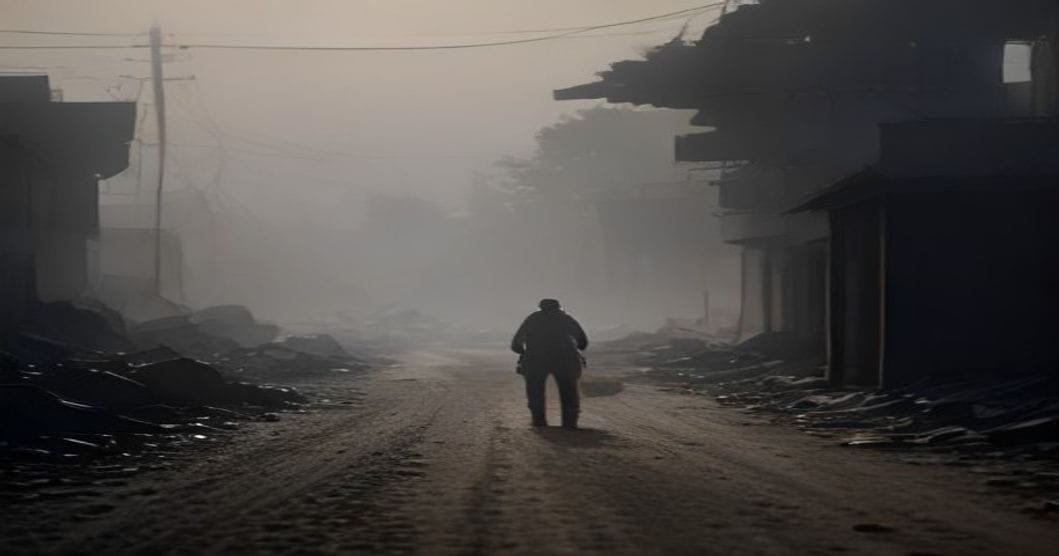
A somber cloud hangs over Jammu and Kashmir following a brutal incident. Specifically, a migrant worker was tragically killed, and another sustained injuries, in a targeted terror attack within the Kulgam district. This heinous act, a stark reminder of the region’s enduring security challenges, has sent shockwaves across the nation. The incident underscores the persistent threat of terrorism, particularly against vulnerable non-local laborers. Indeed, this specific Kulgam terror attack highlights the precarious existence many face while seeking livelihoods in the union territory.
Initially, reports indicated one fatality and one injury. However, the injured worker later succumbed to their wounds, raising the death toll to two. This escalation in casualties deepens the tragedy. Furthermore, it intensifies concerns regarding the safety of migrant populations. The attack has drawn widespread condemnation from various quarters, thereby emphasizing the collective resolve against such acts of violence.
📋 Quick Details
| Incident Location | Kulgam district, Jammu & Kashmir |
|---|---|
| Victims | Migrant workers from other Indian states |
| Fatalities | Two individuals succumbed to injuries |
| Injured | One worker initially sustained injuries |
| Nature of Attack | Targeted terrorist shooting |
| Date of Incident | Reported on July 31, 2026 |
| Security Context | Occurred amid a high security alert |
| Recent Pattern | Third fatality in terror incidents within ten days |
| Perpetrators | Unidentified terrorists |
| Government Response | Condemnation and heightened security checks |
Details of the Tragic Kulgam Terror Attack
The incident unfolded with disturbing swiftness in the Kulgam district of South Kashmir. Unidentified terrorists targeted innocent migrant workers. These individuals were merely striving to earn a living far from their homes. Consequently, the suddenness of the assault left little room for escape or defense.
Reports indicate that the assailants opened fire on the workers without provocation. This targeted act demonstrates a clear intent to instill fear and disrupt normalcy. The security forces swiftly cordoned off the area following the attack. They also launched a massive search operation. However, the initial moments of chaos proved fatal.
Local authorities immediately transported the injured to a nearby medical facility. Despite medical efforts, one of the injured later passed away. This tragic outcome further underscores the brutality of the attack. The police have registered a case. They have also initiated an investigation to identify and apprehend the perpetrators. Furthermore, they are exploring all possible angles to uncover the motives behind this specific Kulgam terror attack.
Vulnerability of Migrant Workers in Jammu and Kashmir
Migrant workers form a crucial part of Jammu and Kashmir’s economy. They often fill labor gaps in agriculture, construction, and other sectors. These workers typically migrate from states like Uttar Pradesh, Bihar, and West Bengal. They seek better economic opportunities. Many endure harsh conditions to support their families back home. Therefore, their contributions are indispensable to the local economy.
- Economic motivations often drive these individuals to J&K. They seek employment in various sectors.
- Their status as ‘outsiders’ sometimes makes them vulnerable. They might lack strong local support networks.
- Terrorist groups frequently target them. The aim is often to create fear and destabilize the region.
- Such attacks also aim to disrupt economic activity. This affects local development and progress.
- The psychological distress among the migrant community is profound. Fear of further attacks impacts their daily lives.
- Many send remittances home. These funds are vital for their families’ survival and well-being.
Unfortunately, these workers often become soft targets for terrorist elements. Their non-local status, coupled with limited personal security, makes them highly susceptible. Perpetrators aim to sow fear among the non-local population. This, in turn, disrupts the social fabric and economic stability of the region. The recent attack tragically highlights this grave vulnerability. Consequently, it calls for enhanced protective measures.
A Disturbing Pattern: Recent Spate of Attacks
The Kulgam incident is not an isolated event. Indeed, it forms part of a disturbing pattern of violence targeting civilians in Jammu and Kashmir. Security agencies have noted a concerning rise in such attacks. This surge occurs despite heightened security alerts across the region. The past ten days alone have witnessed three fatalities due to terror activities. This statistic paints a grim picture of the prevailing security landscape.
Such incidents indicate a shift in militant tactics. They are increasingly targeting non-combatants. This strategy aims to create panic and undermine public confidence in security forces. Previously, attacks often focused on security personnel or government installations. However, the current trend suggests a deliberate targeting of the civilian population. This includes migrant workers. Moreover, this approach seeks to destabilize the social and economic harmony of the region.
The repeated nature of these attacks poses significant challenges for security forces. Despite extensive operations, completely neutralizing the threat remains complex. The dense terrain and intricate local dynamics contribute to this difficulty. Furthermore, the constant threat requires a multi-pronged approach. This includes intelligence gathering, community engagement, and sustained counter-terrorism efforts. The goal is to prevent future tragedies like the Kulgam terror attack.
Government Response and Security Enhancements
The government has unequivocally condemned the Kulgam terror attack. Senior officials have expressed deep condolences to the victims’ families. They have also reaffirmed their commitment to eradicate terrorism from the region. Immediate financial assistance and support for the affected families are underway. Such measures aim to alleviate some of their immediate suffering. However, the loss of life remains irreparable.
In response to the escalating violence, security forces have intensified their operations. Patrolling has increased, especially in areas with significant migrant worker populations. Intelligence agencies are working diligently. They aim to gather actionable inputs. Their objective is to preempt further attacks. Furthermore, security check-points have been strengthened. These measures are designed to enhance overall vigilance.
The administration is also exploring long-term strategies. These include community outreach programs. They seek to build trust and gather vital information. Local residents’ cooperation is crucial in counter-terrorism efforts. Without their support, intelligence gathering becomes significantly harder. The government is also reviewing existing security protocols. They want to identify and address any potential vulnerabilities. This proactive stance is essential for restoring peace and order.
The Broader Geopolitical Landscape and Regional Tensions
Jammu and Kashmir’s security situation is intrinsically linked to broader geopolitical dynamics. The region has historically been a flashpoint. Cross-border influences often complicate internal security challenges. The porous borders and ideological support from external actors contribute to the persistence of militancy. Therefore, understanding these external factors is crucial.
Neighboring countries’ stances and actions significantly impact Kashmir. This includes political rhetoric and material support for extremist groups. Such external factors fuel internal unrest. They also prolong the cycle of violence. Consequently, achieving lasting peace requires addressing both internal and external dimensions. Diplomatic efforts, alongside robust security measures, become paramount.
The targeting of migrant workers also serves a specific agenda. It aims to create an atmosphere of fear and alienation. This strategy seeks to drive away non-local residents. Ultimately, it disrupts demographic patterns and economic stability. Therefore, every such incident like the Kulgam terror attack has ripple effects. These extend beyond immediate casualties, impacting regional stability and societal harmony.
Economic Impact and Development Challenges
Terrorist attacks, particularly those targeting laborers, severely impede economic development. Migrant workers contribute significantly to various sectors. These include construction, agriculture, and tourism. Their presence ensures the smooth functioning of these industries. Fear among these workers leads to their exodus. This creates severe labor shortages. Consequently, economic growth suffers.
Investment in the region also gets negatively affected. Businesses are reluctant to invest in unstable environments. They prioritize security and predictability. Therefore, frequent attacks deter potential investors. This slows down job creation and infrastructure development. The cycle of violence thus perpetuates economic backwardness.
Furthermore, the tourism sector, a vital lifeline for J&K, takes a hit. Tourists avoid destinations perceived as unsafe. This impacts local businesses, from hotels to handicrafts. The loss of tourism revenue affects countless livelihoods. Therefore, restoring peace is not just a security imperative. It is also an economic necessity. The government aims to create a conducive environment for both residents and visitors.
Humanitarian Concerns and Social Fabric
Beyond the immediate casualties, terror attacks inflict immense humanitarian costs. Families lose their sole breadwinners. Children are left orphaned. Communities are torn apart by fear and suspicion. The psychological trauma endures long after the physical wounds heal. This invisible cost is perhaps the most devastating. Such events erode the social fabric of the region.
The targeting of specific communities, like migrant workers, fosters division. It creates an ‘us vs. them’ narrative. This undermines efforts towards social cohesion. Building a peaceful society requires unity and mutual trust. Terrorist acts deliberately aim to dismantle these foundations. Therefore, community leaders and civil society organizations play a crucial role. They work to bridge divides and promote harmony. Their efforts are vital for countering the divisive tactics of militants.
Support systems for victims and their families are critically important. This includes psychological counseling and financial aid. These resources help them cope with trauma and rebuild their lives. Addressing these humanitarian concerns is an essential component of comprehensive peace-building. The tragic loss in the Kulgam terror attack exemplifies these profound human costs.
The Role of Security Forces and Counter-Terrorism Operations
India’s security forces face immense challenges in Jammu and Kashmir. They operate in a complex environment. This includes diverse terrain, political sensitivities, and persistent external threats. Their mandate is to maintain law and order. They also protect civilians and counter militancy. This is a formidable task requiring constant vigilance and strategic planning.
Counter-terrorism operations involve various agencies. The Indian Army, Central Reserve Police Force (CRPF), and Jammu and Kashmir Police collaborate closely. They conduct intelligence-led operations. Their goals include neutralizing terrorist cells and preventing infiltration. These operations are often fraught with danger. They demand precision and restraint to minimize civilian harm. Furthermore, their presence provides a sense of security to the local populace.
| Agency | Primary Role | Key Challenges |
|---|---|---|
| Indian Army | Border security, counter-insurgency operations | Cross-border infiltration, difficult terrain |
| CRPF | Internal security, aid to civil power | Crowd control, maintaining law and order |
| J&K Police | Law enforcement, local intelligence, community policing | Radicalization, local support networks for militants |
| Intelligence Agencies | Gathering information, preempting attacks | Human intelligence gaps, cyber threats |
Despite significant successes, challenges persist. These include sleeper cells and overground workers. They provide logistical support to terrorists. Furthermore, the constant threat of radicalization remains. This makes continuous community engagement vital. Security forces regularly conduct outreach programs. They aim to foster better relations with local residents. This builds trust and encourages information sharing. Their unwavering dedication is crucial for stability.
Moving Forward: Pathways to Lasting Peace
Achieving lasting peace in Jammu and Kashmir requires a multi-faceted approach. Security measures alone are insufficient. They must be complemented by political dialogue and socio-economic development. All stakeholders need to be involved. This includes local communities, political leaders, and civil society. Their collective participation is essential for sustainable solutions.
Dialogue with all peace-loving sections of society is paramount. This can address grievances and build consensus. Furthermore, economic initiatives can create opportunities. These opportunities can divert youth from militancy. Investing in education, skill development, and infrastructure is vital. These efforts offer pathways to a brighter future. They reduce the allure of extremism.
Moreover, strengthening local governance is crucial. Empowering local bodies can ensure better service delivery. It also fosters greater accountability. This, in turn, enhances public trust in the administration. While the road ahead is challenging, a concerted effort offers hope. The memory of victims, like those in the Kulgam terror attack, strengthens the resolve for peace. It emphasizes the urgent need for a peaceful resolution. This ensures that no more innocent lives are lost to such senseless violence.
The tragic loss of life in the Kulgam terror attack serves as a grim reminder. It underscores the urgent need for sustained efforts. These efforts must address both the security challenges and underlying socio-economic issues. Only through a comprehensive and humane approach can lasting peace and stability be achieved in Jammu and Kashmir. The resilience of its people, alongside determined governance, offers the best hope for overcoming these formidable challenges. Furthermore, fostering economic integration and ensuring social justice are vital components. These elements contribute to a robust framework for preventing such future tragedies. Ultimately, collective action and unwavering commitment are essential for a peaceful future in the region.
For more real-time news updates and announcements, visit our homepage.