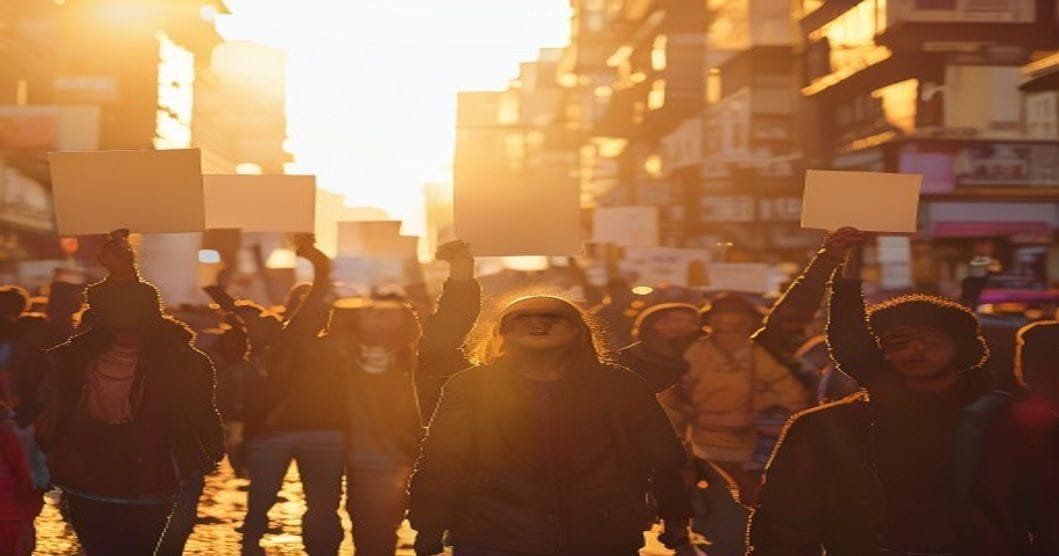
The Supreme Court of India recently took a decisive stance on the fundamental right to peaceful protest, a move that reverberated across the nation. This significant intervention came in response to several pleas filed against alleged police excesses during ongoing CJP student protests. The apex court’s observations underscore the delicate balance between maintaining public order and safeguarding constitutional freedoms. Furthermore, it sent a clear message that accountability for any unwarranted force would be pursued vigorously. This ruling offers crucial protection for students and activists engaged in peaceful demonstrations.
Students across the country often resort to protests to voice their grievances. These actions are a cornerstone of democratic expression. The recent wave of CJP student protests has brought this aspect into sharp focus. The Supreme Court’s live updates highlighted its concern over reports of violence. Specifically, it addressed the alleged harsh police action against young demonstrators. This judicial oversight emphasizes the sanctity of democratic spaces.
Understanding the Genesis of CJP Student Protests
The CJP student protests emerged from a confluence of factors impacting young people. Students, representing a diverse range of concerns, had taken to the streets. These demonstrations were not isolated incidents. Instead, they reflected a growing sentiment of discontent. Many issues, including educational reforms, unemployment, and social policies, fueled these gatherings. Understanding their origins is crucial for appreciating the context.
Historically, student movements have played a pivotal role in India’s socio-political landscape. From the independence struggle to various social justice movements, students have been at the forefront. The CJP student protests align with this rich tradition. They represent the collective aspirations and frustrations of a demographic vital to the nation’s future. Consequently, their voices demand careful consideration.
These protests often begin peacefully. However, they sometimes escalate. This escalation can occur due to various reasons. Mismanagement, miscommunication, or external elements can contribute to such situations. Therefore, the Supreme Court’s intervention was particularly timely. It aimed to address concerns about how these protests were handled on the ground.
Allegations of Police Excesses During Demonstrations
Central to the Supreme Court’s review were serious allegations of police excesses. Numerous reports detailed instances of disproportionate force. Students and human rights organizations presented these accounts. They painted a troubling picture of the ground realities. The judiciary took these allegations very seriously.
Specifically, pleas cited various forms of alleged misconduct. These included arbitrary detentions, physical altercations, and the use of crowd control measures beyond what was deemed necessary. Such actions, if proven, directly infringe upon individual liberties. Moreover, they erode public trust in law enforcement agencies. The Supreme Court recognized this gravity immediately.
The court’s stern remarks highlighted its zero-tolerance policy for unwarranted violence. It stated unequivocally, “Whosoever committed excesses must be taken to task.” This declaration reinforces the principle of accountability. It also sends a strong message to all parties involved. Law enforcement agencies must adhere strictly to established protocols. They must also respect citizens’ rights during any public gathering. This is a critical aspect of democratic governance.
Furthermore, the court sought detailed reports on these incidents. This proactive approach aims to ensure transparency. It also facilitates a fair investigation into the allegations. Such judicial scrutiny is vital. It acts as a check and balance. It ensures that constitutional principles are upheld, even in challenging situations.
The Supreme Court’s Landmark Intervention and Directives
The Supreme Court’s handling of the pleas against police action during the CJP student protests marked a significant moment. The apex court swiftly recognized the urgency of the matter. It heard arguments from various petitioners. These included students, legal activists, and civil society groups. The court’s proceedings were closely watched by the public.
One of the most immediate and impactful directives from the Supreme Court was the order for the release of students. Many young individuals had been detained during the youth protests. This decision provided immediate relief to many families. It also reaffirmed the judiciary’s role as a protector of fundamental rights. The release orders were unambiguous.
The court’s bench, during its hearings, repeatedly emphasized the fundamental nature of peaceful protest. It declared unequivocally that peaceful assembly is a fundamental right. This pronouncement is not merely a legal statement. It is a reaffirmation of a core democratic principle. Citizens have the right to express dissent. They can do so without fear of unlawful reprisal.
Beyond immediate relief, the Supreme Court also signaled its intent for broader reform. Its directive that those responsible for excesses must face consequences is crucial. This mandates a thorough investigation into police conduct. It also ensures that justice is served. Such accountability measures are essential. They prevent future abuses of power. They also restore faith in the system. The court’s approach was comprehensive.
This intervention also serves as a precedent. It reminds both state authorities and protesters of their respective duties. While citizens have the right to protest, they must do so peacefully. Conversely, authorities must ensure public order with restraint. They must also respect civil liberties at all times. This balance is critical for a functioning democracy.
The Fundamental Right to Peaceful Protest in India
India’s Constitution enshrines the right to peaceful protest. Article 19(1)(a) grants freedom of speech and expression. Article 19(1)(b) guarantees the right to assemble peacefully and without arms. These provisions are cornerstones of India’s democratic framework. They empower citizens to voice their opinions. They also allow citizens to challenge government policies.
However, these rights are not absolute. They come with reasonable restrictions. These restrictions can be imposed in the interest of public order, morality, or security of the state. The judiciary often interprets these restrictions. It ensures they are not used to stifle legitimate dissent. The Supreme Court’s recent observations on the CJP student protests fall within this interpretative role.
Previous judgments by the Supreme Court have consistently upheld the right to protest. However, they have also stressed the importance of maintaining peace. For example, protests cannot disrupt essential services indefinitely. They also cannot incite violence. The court strives to strike a balance. This balance protects individual freedoms while safeguarding societal well-being. This is a delicate and continuous process.
The court’s reaffirmation of peaceful protest as a fundamental right strengthens democratic traditions. It provides a legal shield for activists and ordinary citizens. They can now participate in public discourse more confidently. This judicial backing is particularly important for marginalized communities. It offers them a platform to seek justice. The ruling is a landmark reminder of constitutional values.
Implications of the SC Ruling for Students and Law Enforcement
The Supreme Court’s ruling on the CJP student protests carries profound implications. For students, it provides a renewed sense of security. They now have judicial backing for their right to express dissent. This will likely encourage more active participation in public life. It also reinforces the idea that their voices matter. Students can now engage without undue fear.
Conversely, the ruling places increased scrutiny on law enforcement agencies. Police forces must re-evaluate their crowd control strategies. They must ensure that their actions comply with constitutional mandates. Training programs may need to be updated. This will help prevent future instances of alleged excesses. Accountability mechanisms will also need strengthening. This fosters trust between the public and the police.
Furthermore, the ruling has political ramifications. The BJP, after the SC directions, stated that genuine students must be protected, not rioters. This statement reflects a cautious approach. It acknowledges the court’s authority. It also attempts to differentiate between legitimate protest and unlawful acts. This distinction is often complex. However, it is essential for political discourse.
The judiciary’s intervention also encourages dialogue. It creates a space for constructive engagement. Both government and civil society can now address grievances more openly. This prevents issues from festering and escalating. A healthy democracy thrives on such open communication. The ruling acts as a catalyst for this. It promotes a more peaceful resolution of conflicts.
The impact extends beyond the immediate parties. It sets a national standard for handling future protests. State governments will likely review their policies. They will aim to align them with the Supreme Court’s directives. This promotes uniformity in applying constitutional rights. It also enhances citizen protection across all states.
Connecting to Broader Trends in Youth Activism
- **Parliamentary Debates on Public Examinations:** The related headlines highlight other critical issues. The Parliament Monsoon Session, for example, saw protests against paper leaks. This demonstrates a broader youth concern. Integrity of public exams is vital.
- **Public Examinations Amendment Bill:** The Lok Sabha was likely to debate the Public Examinations Amendment Bill. This legislative effort aims to reform the system. It addresses long-standing grievances related to exam transparency. Such reforms are crucial for student confidence.
- **India’s ‘Cockroach Movement’:** The ‘Cockroach movement’ also indicates widespread student arrests. This suggests a pattern of intense youth activism. These movements often challenge the status quo. They demand systemic changes.
- **Delhi Protesters and Pellet Guns:** Delhi protesters alleging pellet injuries moved the Supreme Court for a ban on pellet guns. This highlights concerns about crowd control methods. The judiciary’s role in reviewing such methods is paramount.
These parallel developments underscore a period of heightened youth activism. Students are increasingly vocal. They demand accountability from various institutions. The Supreme Court’s current ruling on CJP student protests fits into this larger narrative. It affirms the importance of their participation. It also reinforces the constitutional framework that protects their rights. This is essential for a vibrant democracy.
Future Outlook: Sustaining Democratic Discourse and Rights
The Supreme Court’s clear pronouncements represent a crucial juncture for India’s democratic fabric. By firmly upholding the right to peaceful protest, the judiciary has sent an unambiguous message. It has reminded all stakeholders about the primacy of constitutional liberties. This stands as a bulwark against any attempts to suppress legitimate dissent. Furthermore, it reinforces the foundational principles of a free society.
Looking ahead, the emphasis will shift to implementation. Law enforcement agencies must internalize these directives. They must train their personnel accordingly. This ensures a measured and rights-respecting approach to public gatherings. Similarly, protest organizers bear the responsibility to ensure their demonstrations remain peaceful. They must adhere to legal guidelines. This dual responsibility is fundamental for harmonious societal functioning.
The dialogue between civil society, the government, and the judiciary will continue. This ongoing engagement is healthy for democracy. It provides avenues for grievances to be heard. It also allows for policies to be adapted. The rulings from the highest court provide a framework. This framework guides future interactions and safeguards essential rights. Ultimately, upholding these principles strengthens the nation.
The protection of peaceful assembly is not just a legal technicality. It is a vital component of social progress and political accountability. When citizens can express themselves freely, a government remains responsive. It also fosters a more inclusive society. The Supreme Court’s actions during the CJP student protests serve as a powerful reminder of this enduring truth. This commitment to rights must continue. It will shape the future of democratic engagement in India significantly.
For more real-time news updates and announcements, visit our homepage.