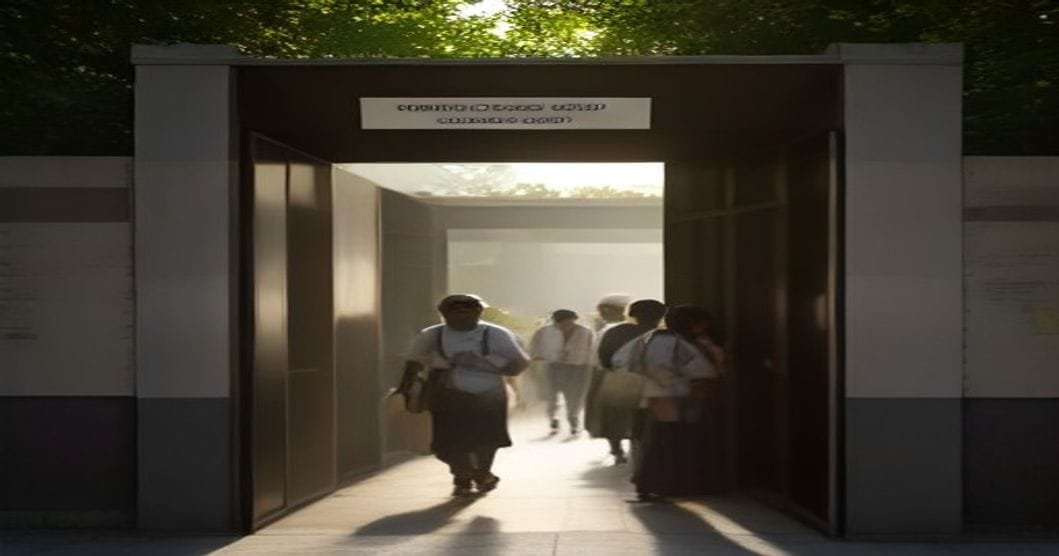
India’s Prime Minister recently made a significant announcement. He declared the establishment of Fast Track Courts for Paper Leaks. This decision comes amidst a wave of intense student protests across the nation. These demonstrations highlight widespread frustration regarding the integrity of public examinations. The government’s move aims to expedite justice in cases involving exam malpractices. It also seeks to restore the diminishing faith of students in the examination system. The announcement is a direct response to a deeply concerning national issue.
For years, paper leaks have plagued various competitive examinations. These incidents undermine the hard work of millions of aspiring candidates. They also compromise the credibility of institutions responsible for conducting these tests. The Prime Minister’s initiative signals a serious commitment. The government plans to tackle this persistent problem head-on. This development holds immense importance for the future of education and career opportunities in India.
The Growing Crisis of Paper Leaks
India’s examination system faces a persistent challenge from paper leaks. These incidents undermine the credibility of various competitive exams. They also jeopardize the career prospects of countless aspiring students. Students invest years of hard work and significant financial resources. A leaked paper can instantly nullify all their efforts. This situation leads to widespread frustration among the youth. Their trust in fair selection processes diminishes quickly.
Such leaks are not isolated events. They have become a recurring issue across different states and sectors. From government job recruitment to university entrance exams, no sector seems entirely immune. Each leak brings about extensive re-examination processes. This causes significant delays and administrative burdens. Furthermore, it often results in mental anguish for candidates. Many students face severe stress and financial strain. Their future plans become uncertain. Consequently, addressing these vulnerabilities is crucial for national progress.
The economic impact of paper leaks is substantial. Conducting re-examinations costs public funds. It also impacts productivity when government departments face delays in hiring. Moreover, the moral cost is even higher. It fosters a sense of injustice among the youth. They begin to question the fairness of the system itself. Therefore, a robust and swift response is essential. This ensures the protection of educational integrity.
Prime Minister’s Strategic Move
The Prime Minister’s announcement regarding Fast Track Courts for Paper Leaks is a pivotal step. This initiative aims to streamline the judicial process. It targets cases specifically related to examination malpractices. The objective is to ensure swift punishment for perpetrators. Additionally, it seeks to deter future attempts at such crimes. This measure reflects a recognition of the urgency surrounding the issue. It also acknowledges the widespread public demand for accountability.
The establishment of these courts is not merely a punitive measure. It is also a restorative one. By expediting trials, the government hopes to deliver justice quickly. This can help victims of paper leaks. It aims to restore their confidence in the legal system. Moreover, a faster judicial process means that cases will not drag on for years. This will provide closure to affected parties. Hence, the announcement holds considerable weight for national morale.
Furthermore, this move aligns with broader governmental efforts. The administration aims to improve governance and transparency. It specifically focuses on sectors critical to youth development. The Prime Minister emphasized his government’s commitment to youth welfare. He pledged to safeguard the future of young aspirants. This commitment underlines the importance of a fair and equitable examination system. It is a cornerstone of social mobility and progress.
Understanding Fast Track Courts
Fast track courts are specialized judicial bodies. They are designed to hear and dispose of specific cases quickly. These courts generally follow expedited procedures. This includes day-to-day hearings and reduced adjournments. Their primary goal is to provide timely justice. They often handle cases of significant public interest or urgency. The concept has been utilized in India for various types of offenses. These include terrorism, sexual assault, and economic crimes.
In the context of paper leaks, these courts will prioritize such offenses. They will focus on evidence gathering and swift prosecution. This approach minimizes delays commonly associated with the conventional judicial system. Their operational speed is a key differentiator. Regular courts often have extensive backlogs. This can prolong trials for many years. However, fast track courts are structured to circumvent these delays. They ensure a more efficient legal process.
Previously, fast track courts have shown mixed results. Their success often depends on adequate resources and judicial appointments. However, their potential for quicker resolution remains high. For paper leak cases, this efficiency is critical. It sends a strong message to potential offenders. It also offers reassurance to the public. Justice will be served promptly and decisively. Therefore, their successful implementation is vital.
The Voice of the Youth: Student Protests
The Prime Minister’s announcement directly follows widespread student protests. These demonstrations swept across the country. Millions of young people voiced their anger and despair. They were protesting against repeated examination paper leaks. Their collective outcry highlighted a deep-seated frustration. This generation, often called Gen-Z, demands transparency. They seek accountability within the education system. Their future careers depend heavily on fair selection processes.
These protests were not isolated incidents. They represented a unified voice across diverse regions. Students gathered in large numbers. They demanded immediate action from the authorities. Their core demands included stringent laws against paper leaks. They also called for swift justice for perpetrators. Furthermore, they sought compensation for time and effort lost due to canceled exams. Their peaceful yet powerful demonstrations garnered significant national attention. This placed immense pressure on the government to respond.
The protests underscore a critical social issue. Youth unemployment and underemployment are significant concerns. Fair access to government jobs and higher education is paramount. Paper leaks directly threaten this access. They fuel a sense of hopelessness among aspirants. The students’ resilience and determination were palpable. Their efforts played a crucial role. They brought the issue of examination malpractices to the forefront of national discourse. Consequently, the government felt compelled to act decisively.
Political Reactions and Critiques
The Prime Minister’s announcement drew immediate reactions from the political spectrum. Opposition leaders quickly weighed in on the development. Shashi Tharoor, a prominent Congress leader, used Urdu poetry to criticize the timing. He suggested the government’s response was delayed. He implied that action should have been taken much sooner. This perspective highlighted the perceived sluggishness of the administration. Many felt the problem had escalated over a long period.
Arvind Kejriwal, Chief Minister of Delhi, also voiced his concerns. He stated that the fast track courts do not address the protesters’ key demand. Kejriwal argued that these courts only deal with consequences. They do not tackle the root causes of paper leaks. He emphasized the need for systemic reforms. These reforms should prevent leaks from happening in the first place. His critique centered on proactive prevention rather than reactive punishment. Therefore, his stance provided an alternative viewpoint on the solution.
The Congress party, more broadly, slammed the Prime Minister’s youth welfare pitch. They contended that the current government had harmed the future of youth the most. This criticism extended beyond just paper leaks. It encompassed broader issues affecting young people. The opposition suggested a disconnect between the government’s rhetoric and its actual impact. These political responses highlight the contentious nature of the issue. They also underscore the varying perspectives on effective solutions. Such debates are crucial in a democratic society.
Government’s Commitment to Fair Examinations
Despite criticisms, the government has consistently reiterated its commitment. It pledges to ensure fairness and transparency in examinations. The Prime Minister’s announcement is presented as part of this broader vision. Official statements emphasize the administration’s dedication to youth welfare. They highlight the importance of merit-based selection. This commitment aims to provide a level playing field for all aspirants. Therefore, the fast track courts are framed as a tool to achieve this goal.
The government acknowledges the distress caused by paper leaks. It views these incidents as attacks on the aspirations of young India. Measures are being explored beyond judicial intervention. These include enhancing security protocols for question papers. There is also focus on strengthening digital infrastructure for exam conduct. The ‘Digital India’ initiative, for instance, plays a role. It seeks to leverage technology. This aims to create more secure and tamper-proof examination environments. This multi-pronged approach demonstrates a comprehensive strategy.
Furthermore, the government has engaged with various stakeholders. These include examination bodies, law enforcement agencies, and educational experts. The aim is to forge a united front against malpractices. This collaborative effort is essential for long-term solutions. It ensures that reforms are robust and sustainable. Thus, the establishment of Fast Track Courts for Paper Leaks is one component. It is part of a larger, ongoing effort to secure the future of young Indians.
Beyond Fast Track Courts: Systemic Reforms for Paper Leak Cases
While fast track courts offer quicker justice, they are not a standalone solution. Addressing paper leak cases effectively requires comprehensive systemic reforms. These changes must target the root causes of such malpractices. Merely punishing offenders after a leak occurs is insufficient. Proactive measures are essential. These prevent leaks from happening in the first place. Therefore, a multi-faceted approach is necessary.
One critical area for reform is strengthening administrative oversight. Examination bodies need more robust internal controls. This includes secure handling of question papers. It also involves meticulous monitoring of printing and distribution processes. Furthermore, background checks for personnel involved in these stages are crucial. Any weak links in the chain of custody must be identified and reinforced. Such vigilance can significantly reduce vulnerabilities. It builds greater trust in the system.
Another vital aspect involves technological solutions. Leveraging advanced technology can enhance security at every stage. This ranges from paper setting to exam delivery. Secure online platforms can minimize human intervention. Encrypted communication channels can protect sensitive information. Moreover, the use of artificial intelligence and data analytics can help. These tools can detect suspicious patterns. They can identify potential threats before they materialize. Consequently, integrating technology is paramount for effective prevention.
The Role of Technology in Prevention
Technology offers powerful tools to combat paper leaks. Secure examination platforms are a prime example. These platforms can generate unique question papers for each candidate. This reduces the value of a single leaked paper. Biometric verification at exam centers also plays a crucial role. It confirms the identity of candidates. This prevents impersonation, a common form of cheating. Furthermore, real-time monitoring of exam halls using CCTV can deter malpractices.
Data analytics and machine learning are increasingly valuable. They can analyze historical data from past exams. This helps identify vulnerabilities and unusual activity patterns. For instance, suspicious clustering of high scores from specific centers could be flagged. This could indicate potential irregularities. Such predictive analysis allows authorities to intervene proactively. It addresses potential threats before they escalate. Therefore, investment in secure digital infrastructure is imperative.
Digital encryption for question paper transfer is another key safeguard. Papers can be transmitted securely to exam centers shortly before the test. This minimizes the window for potential leaks. Moreover, digital watermarking can track the origin of any leaked document. This makes it easier to trace the source. Consequently, these technological interventions create multiple layers of security. They make it significantly harder for fraudulent activities to succeed. They are essential for a robust examination system.
Ensuring Accountability and Deterrence
The establishment of Fast Track Courts for Paper Leaks serves a dual purpose. It aims to ensure accountability for those involved in malpractices. It also seeks to create a strong deterrent against future offenses. Holding perpetrators accountable sends a clear message. Society will not tolerate actions that undermine educational integrity. Prompt and decisive legal action is therefore critical.
Punishment for those found guilty must be severe enough. This will dissuade others from engaging in similar activities. This includes not only those who leak the papers but also beneficiaries. Organizations facilitating such leaks must also face stringent penalties. Furthermore, there is a need to protect whistleblowers. Individuals who come forward with information about leaks need safeguarding. Their protection encourages more people to report malpractices. This strengthens the overall fight against corruption.
Restoring public faith is a paramount objective. Students and parents must believe in the fairness of the system. This faith is crucial for societal stability. Consistent and transparent action against offenders rebuilds this trust. It demonstrates that merit will be rewarded. It shows that unfair means will be punished. Consequently, these courts play a vital role in restoring public confidence. They uphold the principles of justice and equity in competitive examinations.
Challenges and the Path Ahead
Implementing fast track courts effectively comes with its own set of challenges. These courts require adequate infrastructure and skilled judicial personnel. Ensuring a sufficient number of judges and support staff is crucial. This guarantees the expeditious disposal of cases. Without these resources, the very purpose of fast tracking can be undermined. Therefore, resource allocation must be a priority. This ensures the courts operate efficiently.
Furthermore, maintaining judicial integrity is paramount. These courts must uphold due process. They cannot compromise on legal procedures for the sake of speed. Justice must be delivered fairly and without bias. Any perception of rushed judgments could erode public trust further. Striking a balance between speed and fairness is therefore essential. This delicate balance will define their long-term success. It ensures that justice is not only swift but also just.
The path ahead involves sustained effort. It extends beyond the initial announcement. Continuous monitoring of examination processes is vital. Regular reviews of security protocols are also necessary. Adapting to new methods of cheating is an ongoing challenge. The fight against paper leaks is dynamic. It requires constant vigilance and innovation. The government, educational institutions, and civil society must collaborate. This ensures a secure and equitable future for all aspirants.
Conclusion
The Prime Minister’s announcement regarding Fast Track Courts for Paper Leaks marks a significant moment. It is a direct response to widespread student discontent. These courts aim to provide swift justice for exam malpractices. They also seek to deter future occurrences. While the move has been met with both support and criticism, its intent is clear. The government is committed to addressing a critical issue affecting millions of young lives.
However, judicial intervention alone is insufficient. True reform requires a comprehensive strategy. This includes strengthening administrative oversight. It also necessitates leveraging advanced technology for prevention. Moreover, fostering a culture of accountability is crucial. The collective efforts of all stakeholders are essential. This ensures the integrity of India’s examination system. Only through sustained and multi-faceted action can the nation truly safeguard the future of its youth. This secures their trust in the promise of fair opportunity.
For more real-time news updates and announcements, visit our homepage.