The ongoing US Iran Conflict has reached a critical juncture. For the third consecutive night, the United States has launched strikes against Iranian targets. This escalation comes even as President Donald Trump indicates that a diplomatic deal with Tehran remains "possible." The situation in West Asia is incredibly volatile, drawing global attention to the deepening tensions between these two influential nations. Indeed, understanding this complex dynamic requires a thorough examination of its historical roots, recent catalysts, and potential future trajectories.
Reports from various news outlets, including The Hindu, CNBC, and Al Jazeera, confirm the intensity of the latest military actions. Furthermore, these actions are not occurring in isolation. They are part of a broader, long-standing rivalry. The international community watches closely, therefore, as the prospects of peace hang precariously in the balance. This article will delve into the intricacies of this renewed confrontation, exploring its implications for regional and global stability.
Historical Roots of the US Iran Conflict
To grasp the current US Iran Conflict, one must first appreciate its deep historical context. The relationship between the United States and Iran has been fraught with tension for decades. The Iranian Revolution of 1979 marked a significant turning point, fundamentally altering the geopolitical landscape of West Asia. This event transformed Iran from a pro-Western monarchy into an anti-Western Islamic republic.
Following the revolution, the 1979 hostage crisis further cemented animosity between the two nations. Subsequently, a period of estrangement and mutual suspicion ensued. This era saw both overt and covert actions from both sides, shaping perceptions and policies for generations. The United States frequently voiced concerns over Iran’s nuclear ambitions, its support for regional proxy groups, and its human rights record. Conversely, Iran often criticized US foreign policy in the Middle East, viewing it as imperialistic and destabilizing.
A brief period of relative rapprochement occurred with the 2015 Iran nuclear deal, formally known as the Joint Comprehensive Plan of Action (JCPOA). This agreement involved Iran limiting its nuclear program in exchange for sanctions relief. However, the United States, under President Trump, unilaterally withdrew from the JCPOA in 2018. This decision reignited tensions significantly. Furthermore, the US re-imposed stringent economic sanctions, initiating a "maximum pressure" campaign. Consequently, this move was viewed by Tehran as an act of economic warfare, leading directly to the current heightened state of confrontation. Therefore, the historical backdrop is crucial for interpreting contemporary events.
Escalation in West Asia: The Recent Strikes and Iranian Responses
The recent intensification of the US Iran Conflict is undeniable. For three consecutive nights, US forces have launched targeted strikes against various sites within Iran. While specific details on targets remain limited, official statements suggest these operations are defensive in nature. President Trump emphasized his "responsibility to protect Americans" as a primary justification for these actions. This declaration underscores the perceived threat from Iranian activities in the region.
These US strikes, moreover, follow a pattern of increasing aggression. They indicate a firm resolve from Washington to counter what it views as destabilizing Iranian behavior. The nature of these strikes, whether against military infrastructure, supply lines, or personnel, contributes to the overall escalation. The precision and consistency of these attacks demonstrate a calculated strategy to exert pressure on Tehran, yet they also carry significant risks of further retaliation.
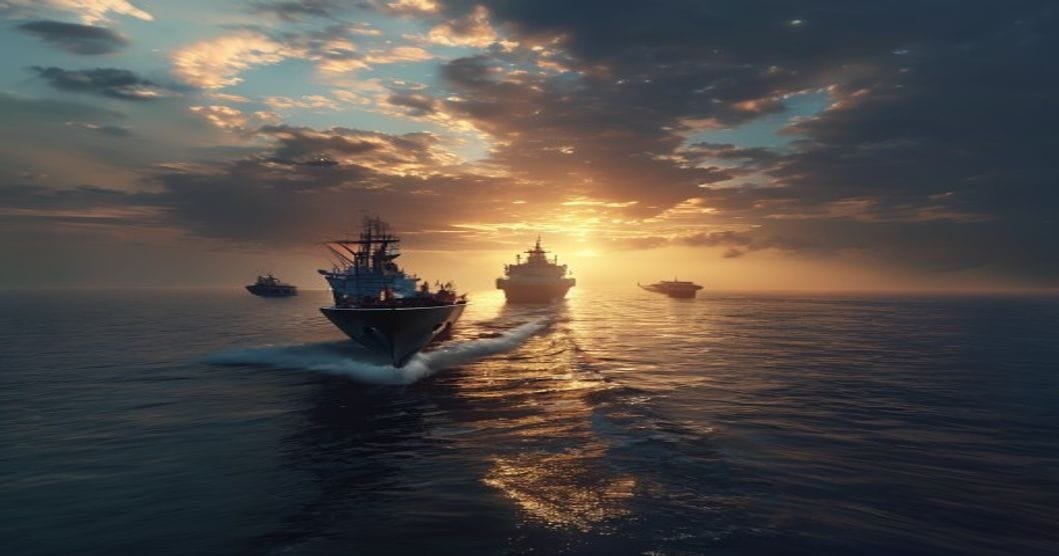
Iran, predictably, has not remained passive. In response to the American actions, Tehran has reportedly targeted Gulf neighbors and tankers in the strategically vital Strait of Hormuz. These actions serve as a powerful signal of Iran’s capability and willingness to disrupt regional stability and international trade. Specifically, targeting oil tankers directly impacts global energy markets and shipping. Such moves are often interpreted as an attempt by Iran to demonstrate its retaliatory capacity and to impose costs on its adversaries. Consequently, this tit-for-tat escalation heightens the risk of miscalculation, making the situation exceptionally precarious for all involved.
The Strait of Hormuz: A Critical Chokepoint in the US Iran Conflict
The Strait of Hormuz is arguably the most critical maritime chokepoint globally, and it plays a central role in the ongoing US Iran Conflict. This narrow waterway connects the Persian Gulf to the Arabian Sea and the open ocean. Through it, approximately one-fifth of the world’s total oil consumption, including a significant portion of Saudi Arabian, Iranian, Iraqi, Kuwaiti, and Emirati oil exports, passes daily. Its strategic importance cannot be overstated.
Iran’s geographical position grants it significant leverage over this strait. The country maintains military bases along its northern coast, giving it the capacity to threaten or, in extreme circumstances, even block maritime traffic. Historically, Iran has used this leverage as a bargaining chip or a deterrent against external pressures. Any disruption to shipping in the Strait of Hormuz has immediate and far-reaching economic consequences. It can trigger spikes in global oil prices and create severe supply chain issues, affecting economies worldwide. Therefore, control or influence over this waterway is a major point of contention and a potential flashpoint in the conflict.
Concerns over Iran’s potential to disrupt shipping have led to increased military presence from international powers in the region. For example, President Trump’s earlier "Hormuz Plan," which reportedly considered a 20% fee on all cargo and a blockade, illustrates the US strategic thinking regarding this vital passage. While this specific plan may not be active, it highlights the potential for drastic measures. Such discussions underscore the persistent worry about the free flow of commerce. Maintaining open and secure shipping lanes through the Strait of Hormuz is a paramount concern for global energy security. Furthermore, any aggressive action in this area could quickly escalate the conflict to an international crisis. Consequently, this strait remains a focal point of geopolitical maneuvering.
Diplomatic Openings Amidst Conflict: Trump’s Stance
Amidst the escalating military actions, President Trump’s assertion that a diplomatic "deal still possible" introduces a layer of complexity to the US Iran Conflict. This statement, reported by The Times of India, suggests that despite the kinetic strikes, the door for negotiation is not entirely closed. Such comments often characterize Trump’s foreign policy approach, which combines assertive military pressure with a willingness to engage in high-stakes diplomacy. However, the exact nature of this "possible deal" remains largely undefined.
Analyzing this statement requires consideration of several factors. Firstly, it could be a genuine overture, indicating a desire to de-escalate the situation through non-military means once a certain level of pressure has been applied. Secondly, it might be a negotiating tactic, designed to signal to Iran that concessions are expected if a diplomatic pathway is to be pursued. This approach seeks to strengthen the US bargaining position. Thirdly, it could also be aimed at an domestic audience, reassuring the American public that all avenues for peace are being explored, even amidst military action.
The conditions under which a new deal could be forged are unclear. Iran has consistently demanded the lifting of US sanctions as a prerequisite for any new negotiations. Meanwhile, the US has insisted on a more comprehensive agreement that addresses not only Iran’s nuclear program but also its ballistic missile development and regional influence. The vast divergence in these positions makes a breakthrough challenging. Therefore, the role of international mediation becomes crucial. Other global powers, such as European nations, could potentially facilitate talks, though their capacity to bridge such a significant gap is often limited. Ultimately, the feasibility of a diplomatic resolution hinges on the willingness of both Washington and Tehran to make meaningful compromises, a prospect that seems distant given the current intensity of the conflict.
Geopolitical Ramifications and International Reactions to the US Iran Conflict
The ongoing US Iran Conflict carries profound geopolitical ramifications, extending far beyond the immediate region. West Asia is a nexus of global power interests, and any significant instability there has ripple effects worldwide. Regional allies of the United States, such as Saudi Arabia, the United Arab Emirates, and Israel, watch the developments with keen interest. These nations often view Iran as a primary threat to their security and regional dominance. Consequently, they tend to support robust action against Tehran, although they also fear the potential for direct conflict on their borders.
The reactions from other major global powers are also critical. Russia and China, both permanent members of the UN Security Council, have generally opposed the unilateral US withdrawal from the JCPOA and the subsequent "maximum pressure" campaign. They advocate for diplomatic solutions and adherence to international agreements. Their concerns often stem from a desire to maintain regional stability and to counter what they perceive as US overreach. The European Union, which also supports the JCPOA, has consistently called for de-escalation and dialogue. European nations are wary of any conflict that could lead to a massive refugee crisis or further destabilize global energy markets. Therefore, their diplomatic efforts are often focused on preventing a full-scale war.
Moreover, the conflict has broader implications for international law and security norms. The unilateral nature of some US actions and Iran’s responses raises questions about the efficacy of multilateral institutions and arms control treaties. The potential for a wider regional conflict involving various state and non-state actors is a constant concern. Such a scenario could lead to immense humanitarian costs, displacement of populations, and a severe disruption of aid efforts. The delicate balance of power in West Asia could be permanently altered, with unpredictable consequences for global security. Therefore, every action and reaction is closely scrutinized by an anxious international community.
Economic Impact of the Conflict
The economic repercussions of the intensified US Iran Conflict are substantial and far-reaching. The immediate and most visible impact is on global oil markets. Any escalation of hostilities, particularly those affecting the Strait of Hormuz, typically triggers a sharp rise in crude oil prices. Traders and investors react to increased geopolitical risk by driving up prices, anticipating potential supply disruptions. This volatility can hurt economies globally, especially those heavily reliant on oil imports.
Beyond oil prices, the shipping industry faces significant challenges. Increased security risks in the Persian Gulf and the Arabian Sea lead to higher insurance premiums for vessels operating in the region. Shipping companies may also reroute vessels to avoid perceived danger zones, which increases transit times and operational costs. These added expenses are ultimately passed on to consumers, contributing to inflation and impacting global trade flows. International commerce becomes more expensive and less efficient as a direct result of these security concerns.
Furthermore, the economic sanctions imposed by the United States have already severely hampered Iran’s economy. The "maximum pressure" campaign aims to cut off Iran’s oil exports, its primary source of revenue. This has led to high inflation, unemployment, and a depreciation of the national currency within Iran. However, these sanctions also have a broader impact on countries that traditionally traded with Iran. Businesses are forced to choose between adhering to US sanctions and maintaining commercial ties with Tehran, often opting for the former to avoid penalties from Washington. Consequently, the global economic uncertainty created by this conflict discourages investment and can slow down economic growth worldwide. This intricate web of economic consequences underscores the urgent need for a peaceful resolution.
Future Outlook and Potential Scenarios for the US Iran Conflict
The future trajectory of the US Iran Conflict remains highly uncertain, with several potential scenarios emerging. One possibility is a de-escalation, driven by a combination of diplomatic efforts and a recognition from both sides of the prohibitive costs of direct conflict. This scenario would likely involve a return to some form of negotiations, possibly facilitated by international mediators, and a gradual easing of tensions. However, significant political will and a willingness to compromise from both Washington and Tehran would be essential for such an outcome.
Conversely, the risk of further escalation is ever-present. A miscalculation by either side, an accidental confrontation, or a deliberate act of aggression could quickly spiral into a full-scale regional war. Such a conflict would undoubtedly involve regional proxies and potentially draw in other major powers, leading to devastating consequences. The sophisticated weaponry possessed by both the US and Iran, along with the complex network of alliances in the region, makes any widespread military confrontation exceptionally dangerous. This scenario represents the worst-case outcome, with immense human and economic costs.
Another scenario involves a prolonged period of low-intensity conflict and proxy warfare. This would mean continued strikes, cyberattacks, and support for opposing factions in regional conflicts, without a direct, overt war between the US and Iran. This "neither peace nor war" situation could persist for years, keeping the region perpetually on edge and hindering economic development. It would also perpetuate a state of insecurity for maritime traffic and international business. Ultimately, the path forward will depend heavily on the strategic decisions made in the coming weeks and months. The international community, therefore, continues to urge restraint and a commitment to dialogue, understanding that the stakes in this conflict are incredibly high for global stability.
For more real-time news updates and announcements, visit our homepage.
Reference: Read the original report on news.google.com.