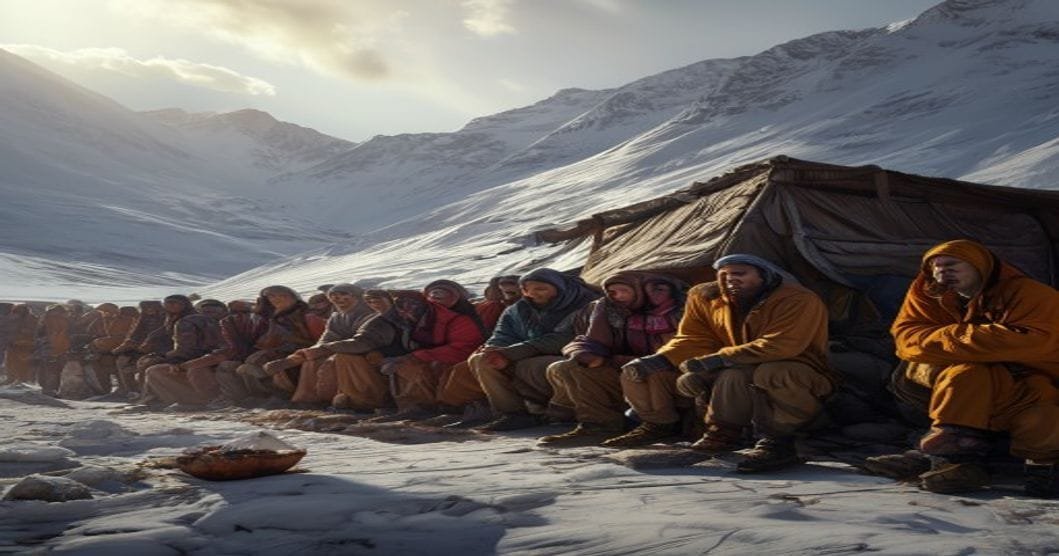
The plight of Sonam Wangchuk, a renowned education reformist and environmental activist, has captivated national attention. His indefinite hunger strike, now stretching over 19 days, highlights critical environmental and constitutional demands for Ladakh. The Delhi High Court recently intervened, issuing a directive for daily medical monitoring and necessary treatment for Wangchuk. This ruling underscores a fundamental principle: ‘Every Life Is Precious.’ The court’s prompt action reflects the gravity of the situation. It also acknowledges the significant health risks associated with prolonged fasting, especially as Wangchuk has reportedly lost over 9 kilograms. The Sonam Wangchuk hunger strike seeks to draw urgent governmental attention to Ladakh’s fragile ecosystem and the constitutional safeguards needed for its unique culture and environment.
Wangchuk’s protest began as a desperate measure. He aimed to compel the central government to address the long-standing demands of Ladakh’s people. Specifically, he calls for the inclusion of Ladakh under the Sixth Schedule of the Indian Constitution. This constitutional provision offers significant autonomy and protection for tribal areas. It helps preserve their distinct cultural identity and environmental heritage. His actions resonate deeply with local communities. They also find support from various civil society groups across the nation. The situation has become a litmus test for environmental advocacy and regional self-determination in India.
📋 Quick Details
| Protagonist | Sonam Wangchuk |
|---|---|
| Event Type | Indefinite Hunger Strike |
| Duration | Over 19 days |
| Health Impact | Lost over 9 kg |
| Court Order | Daily Medical Monitoring & Treatment |
| Issuing Authority | Delhi High Court |
| Key Demand | Sixth Schedule for Ladakh |
| Region | Ladakh, India |
| Support | Atul Kulkarni, civil society groups |
| Primary Concern | Ladakh's environmental protection |
The Genesis of the Sonam Wangchuk Hunger Strike
Sonam Wangchuk, known for inspiring the character Phunsukh Wangdu in the film ‘3 Idiots,’ has long been an advocate for sustainable development. His commitment to education and environmentalism is well-documented. However, the current Sonam Wangchuk hunger strike represents a heightened form of protest. It stems from a profound concern for Ladakh’s future. The region, recently designated a Union Territory, faces significant developmental pressures. These pressures threaten its pristine glacial landscapes and unique biodiversity. The activist believes that without adequate constitutional protection, Ladakh is vulnerable to unchecked industrial exploitation. This exploitation could irreversibly damage its delicate ecological balance. Therefore, his fast is not merely a personal sacrifice. It is a symbolic stand for an entire region’s survival.
The demand for the Sixth Schedule is not new. Local leaders and activists have voiced it for years. They argue that Ladakh’s predominantly tribal population and sensitive environment require special provisions. The Sixth Schedule would grant greater legislative, executive, and financial powers to autonomous district and regional councils. This would allow local communities to govern their land and resources more effectively. It would also safeguard against external developmental models that might not suit the region. Wangchuk’s strike has brought this crucial demand into sharp national focus. It compels a re-evaluation of government policies concerning the newly formed Union Territory. Moreover, it highlights the perceived neglect of local concerns. This forms a significant part of the ongoing agitation.
Delhi High Court’s Intervention: A Lifeline
The Delhi High Court’s order came as the Sonam Wangchuk hunger strike entered a critical phase. As his health deteriorated rapidly, concerns mounted across various quarters. News reports indicated a substantial weight loss, exceeding 9 kilograms in just 19 days. Doctors warned of potential long-term organ damage from such a prolonged fast. The court, acknowledging these serious health risks, stepped in with a compassionate directive. It mandated daily medical monitoring by a government doctor. Furthermore, it ensured that all necessary medical treatments be provided to Wangchuk. This intervention is a crucial development. It reaffirms the state’s responsibility to protect the life of every citizen, even during acts of protest.
Justice Tara Vitasta Ganju presided over the urgent hearing. The court’s immediate priority was Wangchuk’s health and well-being. This legal intervention shifts the dynamics of the protest. It transforms a purely activist struggle into a matter of judicial oversight. The court’s clear stance on the ‘preciousness of every life’ serves as a powerful reminder. It emphasizes that even in times of intense political agitation, fundamental human rights must be upheld. This directive does not, however, address the core demands of the Sonam Wangchuk hunger strike. Instead, it creates a space for dialogue by ensuring the activist’s immediate safety. It is an important step in de-escalating a potentially life-threatening situation. Consequently, many hope this will pave the way for constructive engagement between the government and the protesters.
Medical Concerns and Risks
A prolonged hunger strike poses severe health hazards. Medical experts have repeatedly highlighted the dangers. Wangchuk’s significant weight loss is a primary indicator of his body’s deteriorating condition. Doctors warn that extended periods without food can lead to electrolyte imbalances. It can also cause muscle wasting, including cardiac muscle. Ultimately, it risks irreversible damage to vital organs like kidneys and liver. The medical community often emphasizes the need for careful monitoring in such situations. This is precisely why the Delhi High Court’s order is so critical. It ensures professional medical oversight for Wangchuk. Therefore, it aims to prevent any catastrophic health consequences. The warnings from medical professionals underscore the urgency of a resolution. They also highlight the selflessness of Wangchuk’s protest. Furthermore, these concerns amplify the moral pressure on the government to act.
Understanding Ladakh’s Demands: Beyond the Sonam Wangchuk Hunger Strike
The core of Wangchuk’s protest lies in the demands for Ladakh’s protection. The region, often called the ‘Roof of the World,’ boasts a unique geographical and cultural landscape. Its high-altitude cold desert ecosystem is extremely fragile. It relies heavily on glaciers for its water supply. Climate change already poses an existential threat to these glaciers. Unregulated development, however, could accelerate their retreat. This would have devastating consequences for the local population and its agricultural practices. Therefore, the call for the Sixth Schedule is fundamentally about preserving this delicate balance. It is a plea to protect a pristine environment from unsustainable practices. Many scientists and environmentalists support these concerns. They advocate for a cautious approach to development in such sensitive regions. Thus, the Sonam Wangchuk hunger strike resonates with broader environmental movements worldwide.
The Sixth Schedule provides for the administration of tribal areas in Assam, Meghalaya, Tripura, and Mizoram. It establishes autonomous district councils (ADCs) and regional councils. These councils have powers to make laws on land, forest management, water resources, and cultural affairs. Granting this status to Ladakh would empower local communities. It would allow them to decide on developmental projects that align with their environmental and cultural values. Currently, without such safeguards, decisions are often made by central authorities. These decisions may not always account for local specificities. This disconnect often leads to feelings of marginalization. It also fuels concerns about exploitation. Consequently, the demand for the Sixth Schedule is seen as essential for genuine self-governance and sustainable development in Ladakh. It would be a significant step towards preserving the unique identity of the region. Additionally, it would safeguard its precious natural resources for future generations.
Ecological Fragility and Developmental Pressures
Ladakh’s landscape is breathtakingly beautiful yet incredibly vulnerable. Its high-altitude desert climate supports unique flora and fauna. These species are highly adapted to extreme conditions. However, they are susceptible to even minor environmental disturbances. Tourism and infrastructure projects, while bringing economic benefits, also pose significant risks. Increased human activity can strain limited water resources. It can also generate waste, and disrupt delicate ecosystems. Wangchuk and other activists fear that without stringent regulations, Ladakh could face irreversible damage. They point to the need for a development model that prioritizes ecological sustainability. This model must respect the carrying capacity of the land. Furthermore, it must empower local communities to be stewards of their environment. This is a critical aspect of the Sonam Wangchuk hunger strike’s message. It is a call for conscious and responsible growth. Many environmental experts agree with this assessment. They emphasize the need for robust environmental impact assessments. They also highlight the importance of local community participation in decision-making. Such measures are vital for any region with such unique ecological characteristics. Without them, the risk of irreparable harm is considerable.
The Political Dimension and Government Response
The government’s response to the demands of Ladakh has been a complex issue. After the abrogation of Article 370 and the bifurcation of Jammu & Kashmir, Ladakh became a Union Territory. This move was initially met with mixed reactions. While some welcomed direct central rule, others expressed concerns about losing their distinct identity. The promise of development often clashes with the need for environmental preservation. Wangchuk’s hunger strike puts direct pressure on the government to address these concerns. It highlights the perceived gap between official assurances and ground realities. The government’s challenge is to balance developmental aspirations with ecological imperatives. It must also address the political demands for greater autonomy. So far, significant dialogue on the Sixth Schedule demand has been limited. This lack of engagement has fueled the frustration among activists and locals. Atul Kulkarni, a prominent actor, announced a one-day hunger strike in solidarity with Wangchuk. This demonstrates growing public support for the cause. He urged the government to initiate a dialogue, emphasizing the shared human connection to suffering. ‘Dard ka dard se rishta hona bohot zaroori hai,’ he stated, signifying the importance of empathy. This broader support indicates the political pressure is mounting. The government faces a crucial test of its responsiveness to regional aspirations and environmental concerns. The Sonam Wangchuk hunger strike has undeniably raised the stakes for all parties involved.
| Key Demand | Potential Impact on Ladakh |
|---|---|
| Sixth Schedule Status | Greater local control over land, resources, and culture. Protection against external exploitation. |
| Protection from Industrial Exploitation | Preservation of fragile ecosystems, glaciers, and biodiversity. Sustainable development. |
| Safeguarding Indigenous Culture | Empowerment of tribal communities to protect their distinct identity and traditions. |
| Autonomous Governance | Local bodies can make laws relevant to their unique environment and societal needs. |
| Sustainable Tourism | Regulation of tourism to minimize environmental impact and maximize local benefits. |
Broader Implications of the Sonam Wangchuk Hunger Strike
The Sonam Wangchuk hunger strike is more than a localized protest. It carries significant implications for environmental activism across India. It also influences discussions on regional autonomy. Wangchuk’s method of protest, a non-violent hunger strike, draws from a rich tradition in India. This approach often highlights the moral urgency of a cause. His struggle resonates with other regions facing similar developmental versus environmental dilemmas. It brings to light the tension between national development goals and local ecological concerns. Furthermore, it underscores the need for robust mechanisms for community participation in decision-making processes. The outcome of this protest could set a precedent. It could influence how similar demands are handled in other sensitive ecological zones. The world watches how India balances progress with preservation. This makes the Sonam Wangchuk hunger strike a critical moment for environmental governance.
The emphasis on ‘Every Life Is Precious’ by the Delhi High Court extends beyond just Wangchuk’s physical well-being. It can also be interpreted metaphorically. It suggests that every ecosystem and every unique culture is precious. Therefore, they deserve protection. The court’s order, while immediate, hints at a broader principle. It indicates a governmental and judicial responsibility towards the long-term well-being of its diverse regions. This includes ensuring their ecological and cultural survival. The Sonam Wangchuk hunger strike, therefore, serves as a powerful reminder of these overarching responsibilities. It is a call for a more holistic approach to national development. This approach must integrate environmental protection and local autonomy into its core philosophy. Ultimately, the long-term resolution will require genuine political will. It also demands a commitment to understanding and addressing the root causes of such profound disquiet.
- **Environmental Sensitivity:** Ladakh’s unique high-altitude ecosystem requires special protection.
- **Constitutional Safeguards:** Demand for inclusion under the Sixth Schedule for greater autonomy.
- **Medical Urgency:** Delhi High Court ordered daily monitoring due to Wangchuk’s deteriorating health.
- **Public Support:** Growing solidarity from civil society and public figures like Atul Kulkarni.
- **Sustainable Development:** Advocacy for a development model that respects local ecology and culture.
- **Governmental Dialogue:** Urgent need for the government to engage meaningfully with the demands.
The Path Forward for Ladakh and the Sonam Wangchuk Hunger Strike
The immediate focus remains on Sonam Wangchuk’s health. His safety is paramount. However, the underlying issues that sparked the Sonam Wangchuk hunger strike require long-term solutions. The Delhi High Court’s intervention provides a temporary respite. It does not, however, resolve the core demands. A sustainable path forward necessitates a genuine dialogue between the central government and the representatives of Ladakh. This dialogue should explore the feasibility and implications of granting Sixth Schedule status. It must also consider alternative mechanisms for protecting Ladakh’s environment and culture. Ignoring these demands could lead to prolonged unrest. It might also jeopardize the delicate peace and ecological balance of the region. The government has an opportunity to demonstrate its commitment to inclusive governance. It can show its dedication to sustainable development. This moment calls for visionary leadership. It also requires a willingness to listen to the voices of local communities.
The stakes are incredibly high. Ladakh represents a critical frontier for environmental conservation in India. Its glaciers are vital water sources. Its unique culture is a national treasure. Protecting these assets requires proactive and empathetic governance. The Sonam Wangchuk hunger strike has brought these issues to the forefront. It has galvanized public opinion. It has also put pressure on policymakers. The resolution of this situation will undoubtedly shape the future of Ladakh. It will also influence the discourse on environmental justice and regional rights across the country. Ultimately, the hope is for a peaceful and just resolution. This resolution must uphold the dignity of life and preserve the precious heritage of Ladakh for generations to come.
For more real-time news updates and announcements, visit our homepage.