A wave of jubilation swept across India’s student community recently. Specifically, news confirmed the resignation of Union Education Minister Dharmendra Pradhan. This followed widespread and persistent ‘Cockroach’ protests concerning rampant paper leaks. For many, this moment represented a significant triumph for youth activism and accountability. The success of the student-led movement highlights the growing power of India’s younger generation in demanding governmental transparency. Indeed, the outcome of Pradhan’s Resignation Protests sent a clear message to political leadership.
The protests, driven largely by Gen Z, had garnered national attention. They highlighted deep-seated frustrations with the integrity of India’s examination system. Students had been vocal about the systemic failures. Consequently, their collective voice ultimately led to a high-profile political exit. This event marks a critical juncture in the ongoing discourse about education governance in India. It also underscores the importance of public trust in national institutions. Furthermore, the incident has ignited renewed debates about systemic reforms.
📋 Quick Details
| Minister Resigned | Dharmendra Pradhan |
|---|---|
| Reason for Resignation | Widespread paper leak protests |
| Protest Movement | "Cockroach" protests |
| Key Demographics | India's Gen Z students |
| Outcome for Protesters | Minister's resignation, perceived victory |
| Political Ramifications | Increased opposition demands for accountability |
| Affected Sector | Education system, examination integrity |
| Date of Resignation | Around July 2026 |
| Protest Venue | Jantar Mantar, other national locations |
| Broader Implications | Setback for RSS influence in education |
The Genesis of Discontent: India’s Persistent Paper Leak Crisis
India’s education system, vast and complex, faces a recurring challenge: paper leaks. These incidents involve question papers for crucial entrance and recruitment exams being leaked before the official test date. This compromises the fairness and credibility of the entire process. Moreover, such leaks often lead to the cancellation or postponement of examinations. Students, who invest years in preparation, bear the brunt of these disruptions. Their academic and career trajectories are severely affected by these systemic failures. The problem is not new, yet its frequency has escalated.
The financial implications are also substantial. Many students incur significant costs for coaching classes and study materials. Furthermore, examination fees add to their burden. When papers leak, these investments often go to waste. This leads to profound disappointment and economic strain for countless families. The psychological toll on students is immense. They face anxiety, stress, and a pervasive sense of injustice. Therefore, regaining trust in the examination system became a paramount concern for many. It is clear that the integrity of these exams is vital for national development. Any breach undermines public confidence in government institutions.
The Rise of the ‘Cockroach’ Protests
Frustration reached a boiling point, giving rise to the ‘Cockroach’ protests. This movement gained momentum rapidly, fueled by social media and widespread student discontent. The term ‘cockroach’ became a symbol for the pervasive and hard-to-eradicate corruption within the examination system. Students felt that despite repeated complaints, the underlying issues remained unaddressed. Therefore, they adopted this moniker to highlight the deep-seated problems. Their activism transcended regional boundaries, uniting students from various states and backgrounds.
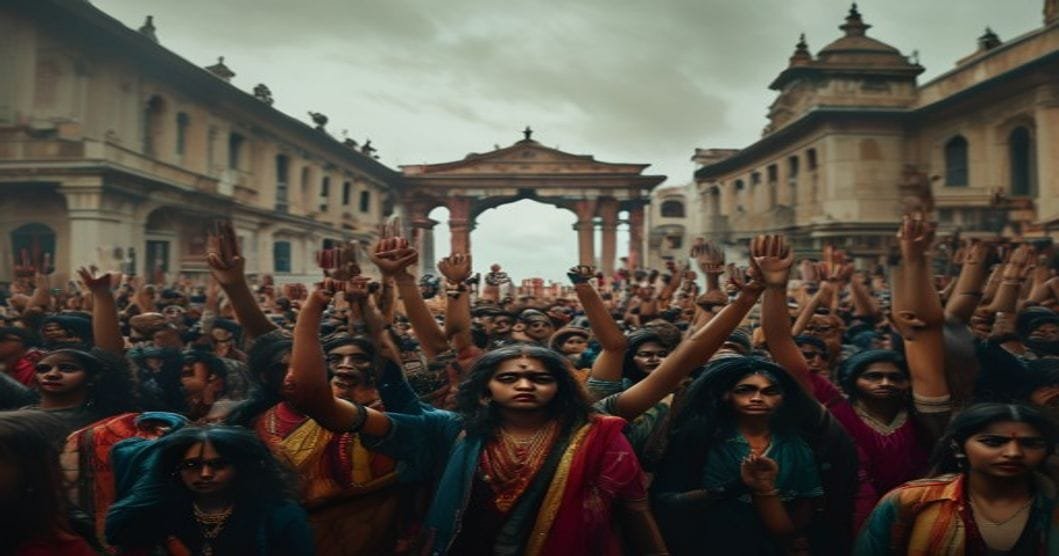
The protests were largely peaceful but highly impactful. Students organized rallies, digital campaigns, and public demonstrations. Jantar Mantar in New Delhi became a central hub for these protests. Thousands gathered there, demanding accountability and reform. They specifically called for the resignation of the Education Minister. Their collective voice was clear: enough was enough. This grassroots movement effectively leveraged modern communication tools. As a result, it quickly amplified its message across the nation. This showed a new level of organizational capacity among young activists.
Specific Incidents Fueling the Movement
Several high-profile paper leaks directly contributed to the outrage. These incidents spanned various competitive exams, affecting thousands of aspirants. Each new leak added to the collective anger and disillusionment. For instance, leaks in medical entrance exams or government job recruitment tests generated immediate public outcry. These specific events served as catalysts for the broader ‘Cockroach’ movement. Students observed a pattern of repeated failures from the authorities. Consequently, their demands for action intensified with each new incident. They felt their futures were being jeopardized by systemic negligence. This growing unease fueled the determination behind Pradhan’s Resignation Protests.
Dharmendra Pradhan’s Tenure and Escalating Pressure
Dharmendra Pradhan, as the Union Education Minister, found himself at the center of this burgeoning crisis. His ministry was responsible for ensuring the smooth conduct and integrity of national examinations. However, the recurring paper leaks tarnished this image. Initially, the ministry’s responses were perceived as insufficient by the protesting students. They felt their concerns were not being adequately addressed. This led to a further erosion of trust in the government’s ability to safeguard their academic future. The pressure mounted steadily, day by day.
The minister faced increasing calls for his resignation from various quarters. Opposition parties, student organizations, and civil society groups joined the chorus. They argued that accountability for such widespread failures rested squarely with the ministerial leadership. Despite initial attempts to defend the system or promise investigations, the public outcry did not subside. This unwavering demand for accountability highlighted the gravity of the situation. It became clear that the crisis extended beyond mere administrative glitches. Rather, it pointed to fundamental flaws within the system itself. Therefore, the political ramifications were unavoidable.
The Weight of Public Opinion
Public opinion increasingly turned against the minister. Social media platforms buzzed with student grievances and calls for action. Mainstream media also extensively covered the protests and the students’ plight. This broad public scrutiny intensified the pressure on the government. The issue transcended political affiliations, becoming a matter of national concern. Furthermore, the persistent nature of the ‘Cockroach’ protests demonstrated unwavering resolve. This collective voice proved difficult for the government to ignore. Consequently, the political cost of inaction grew exponentially.
A Momentous Resignation: Victory for Student Voices and Pradhan’s Resignation Protests
The announcement of Dharmendra Pradhan’s resignation brought an immediate wave of elation. Protesters at Jantar Mantar erupted in cheers and celebrations. Many felt their sustained efforts had finally yielded results. This outcome was seen as a direct consequence of their determined activism. ‘We have done it,’ exclaimed many students, reflecting a profound sense of accomplishment. The resignation symbolized a significant victory for youth power and the principle of accountability. It also demonstrated the impact of organized, peaceful protest in a democratic society.
This event marked a rare instance where large-scale public pressure directly led to a minister’s exit. It offered a tangible example of civic engagement driving political change. For students, it validated their belief in collective action. Moreover, it instilled a renewed sense of hope for future reforms within the education sector. The joy was palpable, spreading rapidly through various student networks. It was a moment of profound vindication for those who had felt unheard for too long. The success of Pradhan’s Resignation Protests resonated deeply.
Immediate Reactions and Global Recognition
News of the resignation quickly spread, both nationally and internationally. Al Jazeera reported the joy among protesters, highlighting the global attention on India’s student movement. The New York Times also covered the story, recognizing it as a victory for the ‘Cockroach Party’ protesters. This international coverage underscored the significance of the event. It showcased India’s vibrant democratic space and the power of its youth. Furthermore, it positioned the protests as a compelling example of successful grassroots advocacy. This global acknowledgement amplified the impact of the students’ triumph.
Political Repercussions and Accountability Demands
The political fallout from Pradhan’s resignation was immediate and far-reaching. Opposition parties swiftly capitalized on the situation. The Congress party, for instance, pledged to demand accountability from the BJP government in Parliament. Leaders like Hooda stated that the focus would now shift to the broader issue of paper leaks. They called for a comprehensive investigation into the systemic problems. This marked a clear escalation in the political discourse surrounding education. The opposition saw an opportunity to press for wider governmental reforms. Consequently, the resignation became a major talking point in national politics.
Calls for Prime Minister Modi to apologize also intensified. Protesters at Jantar Mantar, following Pradhan’s exit, chanted ‘Now Modi should go’. Rahul Gandhi, a prominent opposition leader, reiterated that their fight would continue. He explicitly demanded an apology from PM Modi. This suggests a broader political narrative. The opposition aimed to link the education minister’s failure to the overall governance of the ruling party. Moreover, they sought to frame the paper leak crisis as a failure of top-level leadership. Therefore, the resignation became a springboard for wider political challenges. It highlighted the intricate connection between governance and public trust. The incident undoubtedly put the government on the defensive regarding educational reforms.
The RSS Angle: Control Over Education
The Wire.in offered a distinct perspective on the resignation. Their analysis suggested it was a major setback for the Rashtriya Swayamsevak Sangh (RSS). The RSS traditionally holds significant influence over educational policy and curriculum in India. Controlling the education sector is considered critical for its ideological agenda. Pradhan’s removal, therefore, might be seen as a disruption to this established influence. It potentially opens avenues for reconsideration of educational priorities. Furthermore, it raises questions about the future direction of India’s education policy. This perspective adds another layer of complexity to the political implications of the resignation. It underscores the deep ideological battles within the country’s educational landscape.
Gen Z’s Power: A New Wave of Activism
The
For more real-time news updates and announcements, visit our homepage.