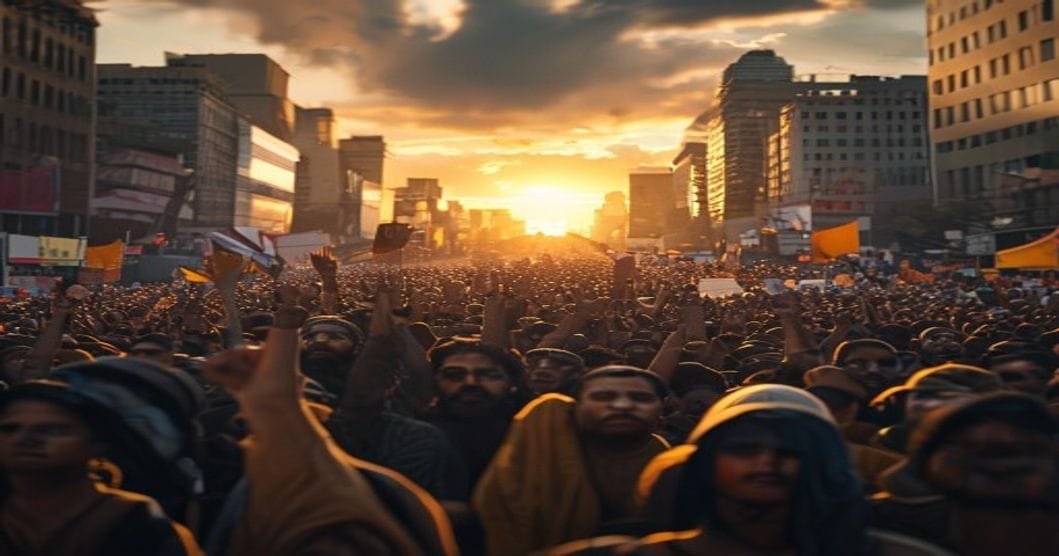
A significant period of sustained advocacy has concluded as renowned innovator and environmental activist Sonam Wangchuk ended his hunger strike. This move came after a prolonged fast, a powerful protest aimed at securing constitutional safeguards for Ladakh. Moreover, Sonam Wangchuk’s Hunger Strike galvanized widespread support, leading to growing protests across India, highlighting mounting environmental and political concerns.
Wangchuk’s fast, undertaken in the harsh cold of Ladakh, drew national and international attention. His primary demand centered on the implementation of the Sixth Schedule of the Constitution for Ladakh. This particular provision would grant special protections to the region’s unique tribal culture, land, and environment. Therefore, the conclusion of his strike, while a personal decision, marks a critical juncture in the ongoing dialogue between civil society and the government.
📋 Quick Details
| Activist Name | Sonam Wangchuk |
|---|---|
| Protest Method | Hunger Strike (Fast-unto-death) |
| Primary Demand | Constitutional protection (Sixth Schedule) for Ladakh |
| Protest Location | Leh, Ladakh |
| Duration of Fast | Extended during critical negotiations |
| Government Engaged | Central Government of India |
| Associated Movement | Climate Justice Protest (CJP) Youth Movement |
| Key Concern | Ladakh's unique environment, culture, and land |
| Outcome of Fast | Ended after initial negotiations; further dialogue expected |
| Wider Impact | Galvanized and spread protests across India |
Understanding Sonam Wangchuk’s Demands
Sonam Wangchuk’s activism stems from a deep concern for Ladakh’s ecological fragility and cultural identity. For many years, he has championed sustainable development and educational reform. His recent hunger strike, however, specifically targeted the administrative status of Ladakh. Ladakh was designated a Union Territory in 2019, separating it from Jammu and Kashmir. This change, while bringing some benefits, also raised concerns among local populations regarding resource exploitation and demographic shifts.
The demand for the Sixth Schedule is not new. Local leaders and activists have long sought its application. This constitutional provision offers significant autonomy to tribal areas in certain states. It ensures protection of their land, resources, and cultural practices. Consequently, proponents argue that such safeguards are essential for Ladakh, a region with a predominantly tribal population and a delicate high-altitude ecosystem.
The Sixth Schedule would empower local elected bodies with legislative and executive powers. These powers would cover land, forest management, water, and cultural affairs. Advocates believe this would prevent external commercial interests from exploiting Ladakh’s pristine environment. It would also preserve the distinct cultural heritage of the Ladakhi people. Therefore, Wangchuk’s fast amplified a long-standing regional aspiration.
- Land Protection: The Sixth Schedule would grant local control over land. This is vital for preserving the agricultural practices and natural landscape.
- Cultural Preservation: It would protect unique Ladakhi traditions, languages, and social customs. This is crucial for maintaining identity.
- Environmental Safeguards: Local bodies could implement stronger environmental regulations. This would shield the fragile Himalayan ecosystem from damage.
- Resource Management: It would ensure that local communities benefit from and manage their natural resources. This promotes equitable development.
These specific protections formed the core of Wangchuk’s impassioned plea. His actions aimed to secure a future for Ladakh that respects both its people and its planet.
The Genesis and Progression of the Hunger Strike
Sonam Wangchuk began his fast-unto-death in early March, specifically in Leh. The frigid temperatures of Ladakh made his protest particularly arduous. He committed to fasting until the government either met his demands or he succumbed. His resolve resonated deeply with many citizens.
Daily updates on his health and the progress of the negotiations became national news. Supporters, both within Ladakh and across India, rallied behind him. Candlelight vigils and solidarity protests emerged in various cities. This demonstrated the growing public consciousness regarding the issues he championed. The initial government response was cautious, but as the strike continued, pressure mounted for dialogue.
Wangchuk’s fast extended beyond his initially planned duration. This extension occurred during crucial negotiation phases with central government representatives. It signaled his determination to secure tangible commitments. Furthermore, the duration itself highlighted the urgency of the situation and the depth of his conviction. The activist remained steadfast, enduring significant physical hardship for his cause.
His public statements throughout the strike emphasized the non-violent nature of his protest. He consistently called for peaceful dialogue and a constructive resolution. This approach garnered further respect and prevented the movement from devolving into unrest. Moreover, his disciplined protest served as an example of sustained, peaceful resistance.
During this period, multiple rounds of discussions took place. Representatives from the Ladakhi leadership council engaged with the central government. The talks aimed at finding common ground and addressing the specific concerns about Ladakh’s future. The complexity of the constitutional provisions and political implications made these negotiations challenging. However, the sheer willpower demonstrated by Wangchuk kept the conversation alive.
Negotiations and the Conclusion of Sonam Wangchuk’s Hunger Strike
The decision by Sonam Wangchuk to end his hunger strike followed intense negotiations with government officials. Reports indicated that the Centre engaged in discussions to address the demands. While the exact details of the understanding reached are not fully public, the conclusion of the strike suggests a commitment to further dialogue. Wangchuk himself indicated that he extended his fast by two days to allow for these crucial negotiations to progress. This act underscored his dedication to achieving a resolution, not just making a statement.
The negotiations involved various stakeholders. These included representatives from the Ladakhi Apex Body (LAB) and the Kargil Democratic Alliance (KDA). These local groups have consistently advocated for Ladakh’s constitutional protection. Their participation was essential in relaying the ground realities and specific aspirations of the region’s inhabitants. The involvement of these bodies provided legitimacy to the negotiation process.
While the immediate outcome did not involve the outright granting of Sixth Schedule status, the government’s engagement signifies a step forward. It indicates an acknowledgment of the legitimate concerns raised by Wangchuk and the people of Ladakh. Often, such high-profile protests lead to the establishment of committees or the initiation of detailed studies. These processes can pave the way for future policy changes. This is a common pattern in Indian political discourse.
The conclusion of Sonam Wangchuk’s Hunger Strike also shifted the focus. It moved from the immediate crisis of his health to the ongoing political process. This transition allowed for a more structured approach to addressing the complex issues at hand. It enabled both sides to step back from the brink and engage in more reasoned discussions. Therefore, the ending of the fast, while not a definitive victory, represented progress in the protracted struggle for Ladakh’s rights.
Many observers view this as the ‘beginning of accountability’. This phrase, used by Wangchuk, suggests that the government has been compelled to engage more seriously. It also implies a shift in the dynamic between state and civil society. The activist’s commitment ensured that the demands for Ladakh would not be easily dismissed. This development could set a precedent for similar movements seeking governmental attention.
The Spreading Protests and the CJP Movement
The impact of Sonam Wangchuk’s hunger strike was not confined to Ladakh. Indeed, his protest ignited a broader movement across India. Young people, in particular, resonated with his message. This led to a surge in environmental and climate justice protests, notably under the banner of the CJP (Climate Justice Protest) movement. The CJP movement represents a significant youth-led environmental awakening that the current government may not have fully anticipated.
Cities like Delhi, Mumbai, and Bangalore witnessed solidarity demonstrations. Students and activists organized rallies, demanding action on climate change and environmental degradation. They also expressed support for Wangchuk’s specific demands for Ladakh. These widespread protests demonstrated a collective concern for environmental protection and regional autonomy. Furthermore, they showed that citizens are increasingly willing to voice their discontent.
The CJP movement skillfully utilized social media and grassroots organizing. This allowed them to mobilize rapidly and effectively. Their engagement highlighted the interconnectedness of local environmental issues with national policy. Moreover, they brought a fresh wave of energy and urgency to India’s environmental discourse. This youthful energy injected new life into the ongoing debate.
Some analysts suggest that these protests caught the government off guard. The scale and reach of the youth movement indicated a growing dissatisfaction among a crucial demographic. This dissatisfaction extends beyond specific policy decisions to broader governance issues. Consequently, these protests serve as a powerful reminder of the electorate’s evolving priorities. They showcase a growing demand for transparency and environmental responsibility.
The confluence of Wangchuk’s hunger strike with the broader CJP movement created a potent force. It elevated environmental concerns to a national political level. Many feel that the government’s response to these movements will be a litmus test. It will determine its commitment to sustainable development and democratic participation. This broader impact underscores the ripple effect of individual acts of protest.
Broader Political Context and Government Challenges
The protests surrounding Sonam Wangchuk’s Hunger Strike occurred within a complex political landscape. The Indian government faces multiple challenges, both domestic and international. The related headlines provide a glimpse into this wider scenario. For instance, the ‘CJP protest: The youth movement India’s Modi didn’t see coming’ headline from BBC emphasizes the unexpected nature of this wave of activism. This suggests that the government might be re-evaluating its public engagement strategies.
Another headline, ‘Modi Seeks to Calm Anger in Rare Video as India Protests Widen’, from Bloomberg.com, indicates a high level of governmental concern. Such direct addresses from the Prime Minister are uncommon during widespread protests. This action underscores the seriousness with which the government viewed the escalating dissent. It also highlights the government’s efforts to regain public trust and calm tensions. The administration aims to prevent further polarization.
The context also includes other social and political dynamics. Reports of the CJI (Chief Justice of India) refuting claims about refusing to list pleas against police action on student protests (‘CJI Surya Kant Refutes Reports Of Refusing To List Plea Against Police Action On Student Protests, Says Media Was Reckless’ – Live Law) point to underlying tensions. These tensions exist between state power and civil liberties. Such reports reflect a broader concern about judicial responsiveness during periods of public unrest. This further complicates the government’s position.
Furthermore, changes within the administration, like Vineet Joshi being removed as Education Secretary, (‘Vineet Joshi, Removed As Education Secretary, Was Chief Of CBSE, Testing Body NTA’ – NDTV) suggest internal reorganizations. These changes might be responses to public pressure or attempts to streamline governance. They occur as the government navigates various internal and external pressures. Such reshuffles are often indicative of a period of scrutiny.
Internationally, the imposition of ‘forced labour’ tariffs on India by the U.S. (‘As temporary tariffs expire, U.S. imposes 10% ‘forced labour’ tariffs on India’ – The Hindu) adds another layer of complexity. This demonstrates how domestic issues can intertwine with international relations and economic policy. While not directly related to Wangchuk’s protest, it contributes to a general atmosphere of scrutiny and pressure on the Indian government. These varied pressures collectively shape the government’s approach to dissent.
Implications for Environmental Activism and Regional Autonomy
The conclusion of Sonam Wangchuk’s Hunger Strike carries profound implications for both environmental activism and regional autonomy movements in India. Firstly, it reaffirms the power of peaceful protest as a tool for change. Wangchuk’s unwavering commitment under extreme conditions brought significant public attention to Ladakh’s plight. This strategy inspired similar movements to pursue their objectives through non-violent means. It validates the impact of individual courage.
Secondly, the widespread solidarity protests, particularly involving the CJP movement, highlight a growing environmental consciousness among India’s youth. This demographic is increasingly vocal about climate change, ecological preservation, and sustainable development. Their active participation signals a potential shift in political priorities. Furthermore, it suggests that environmental issues will become more prominent in future electoral cycles. Politicians cannot afford to ignore these emerging concerns.
Thirdly, the focus on Ladakh’s demand for Sixth Schedule status brings the issue of regional autonomy to the forefront. In a diverse country like India, granting special provisions to protect unique cultures and ecosystems is crucial. The negotiations, even if not fully conclusive, indicate a willingness to discuss such constitutional safeguards. This precedent could embolden other regions facing similar challenges to push for greater self-governance. It reinforces the importance of federalism.
Moreover, the entire episode underscores the evolving dynamic between civil society and the state. It demonstrates that sustained public pressure can compel the government to engage. This engagement might not always result in immediate policy changes, but it initiates dialogue. This process can be a crucial first step towards addressing grievances. It also strengthens democratic accountability.
The struggle for Ladakh, spearheaded by Wangchuk, serves as a powerful case study. It shows how local issues can gain national prominence through dedicated activism. It also illustrates the challenges involved in balancing developmental aspirations with environmental protection and cultural preservation. Looking ahead, this event will undoubtedly influence future strategies of both activists and policymakers. The legacy of Sonam Wangchuk’s Hunger Strike will resonate for years to come.
| Label | Value |
|---|---|
| Activist Name | Sonam Wangchuk |
| Protest Method | Hunger Strike (Fast-unto-death) |
| Primary Demand | Sixth Schedule for Ladakh |
| Protest Location | Leh, Ladakh |
| Duration of Fast | Extended during negotiations |
| Government Engaged | Central Government of India |
| Associated Movement | Climate Justice Protest (CJP) |
| Key Concern | Ladakh’s environmental and cultural protection |
| Outcome of Fast | Ended after negotiations with government |
| Impact | Sparked wider protests across India |
For more real-time news updates and announcements, visit our homepage.