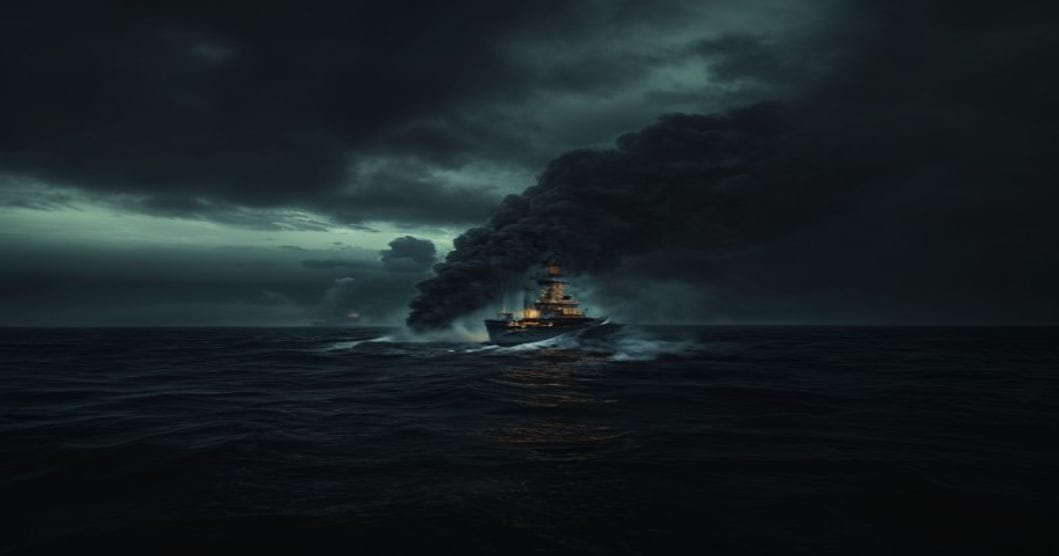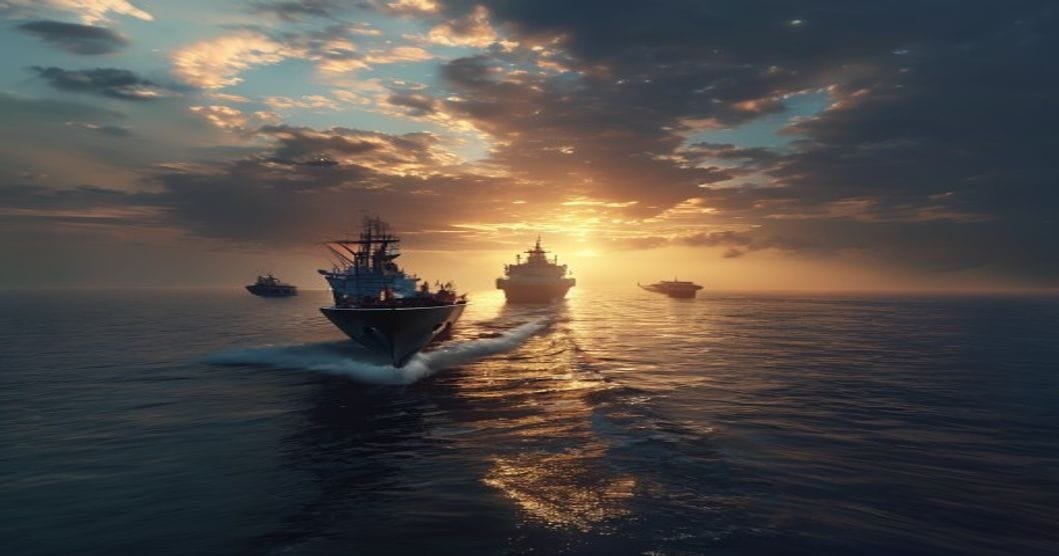
In a significant geopolitical announcement, former President Donald Trump declared the reinstatement of an Iran blockade. Furthermore, he outlined a new policy imposing a 20% toll on all cargo transiting the vital Strait of Hormuz. This bold move, dubbed by some as the United States acting as a “Guardian Angel” in the region, promises to send ripples through global energy markets and international diplomacy. The implications of this latest Trump Strait of Hormuz policy are far-reaching, affecting everything from oil prices to international shipping lanes. Experts are now scrutinizing the potential economic and security consequences of such an assertive stance.
The declaration on July 13, 2026, marks a dramatic escalation in the long-standing tensions surrounding the strategic waterway. It also signals a fundamental shift in American foreign policy towards Iran and maritime security. This article will delve into the intricacies of this announcement, exploring its historical context, potential impacts, and the various challenges it presents on the international stage. Understanding the Strait of Hormuz is crucial to grasping the magnitude of this decision.
📋 Quick Details
| Key Figure | Donald Trump |
|---|---|
| Core Action | Reinstatement of Iran Blockade |
| Financial Impact | 20% Toll on Cargo |
| Location | Strait of Hormuz |
| Stated Role | US as "Guardian Angel" |
| Affected Country | Iran |
| Announcement Date | July 13, 2026 |
| Global Impact | Energy markets, shipping, international law |
The Strategic Imperative of the Strait of Hormuz
The Strait of Hormuz is a narrow, critically important waterway. It connects the Persian Gulf with the Arabian Sea and the open ocean. Approximately one-fifth of the world’s total petroleum consumption passes through this strait daily. This includes a significant portion of the global liquefied natural gas (LNG) trade. Its strategic importance cannot be overstated.
For decades, this chokepoint has been a flashpoint for international tensions. The Strait provides the only sea passage from the Persian Gulf to the open sea. Countries like Saudi Arabia, Iran, Iraq, Kuwait, Qatar, and the United Arab Emirates rely on it for their oil exports. Any disruption here causes immediate and severe global economic repercussions. Consequently, maintaining its security and open passage is a priority for numerous nations worldwide.
A History of Tensions: Iran and the Strait
Iran occupies the northern coast of the Strait of Hormuz. This geographical position gives it considerable leverage over maritime traffic. Historically, Iran has, at various times, threatened to close the strait. These threats typically arise during periods of heightened international pressure or sanctions. Such actions would effectively halt a substantial portion of global oil supplies.
Past incidents in the Strait of Hormuz underscore its volatile nature. These include tanker attacks, seizures of vessels, and naval confrontations. These events highlight the delicate balance of power and the constant risk of escalation in the region. The United States and its allies have consistently maintained a naval presence to ensure freedom of navigation. This ongoing tension is a key backdrop to the latest Trump Strait of Hormuz declaration.
Understanding the Reinstated Iran Blockade
The term “blockade” carries significant weight in international law. Generally, it refers to the interdiction of all traffic to and from a coast or port. A naval blockade aims to prevent supplies from reaching a particular area. It is typically considered an act of war or a measure short of war. Therefore, Trump’s announcement about reinstating an Iran blockade presents complex legal and operational challenges.
The exact nature and scope of this reinstated blockade remain a subject of intense speculation. Historically, blockades have involved naval vessels enforcing exclusion zones. They stop and inspect ships to prevent goods from entering or leaving designated areas. Such an operation in the Strait of Hormuz would be an enormous undertaking. It would require significant naval resources and carry a high risk of confrontation. Moreover, it raises serious questions about the international right to free passage.
The Proposed 20% Toll on Cargo
Beyond the blockade, the imposition of a 20% toll on all cargo is another unprecedented aspect of this policy. This measure suggests a direct charge for safe passage through the strait. The idea of charging for transit through an international waterway, particularly one considered international waters by many, is highly controversial. It challenges established norms of maritime law. This proposed fee structure fundamentally alters the economic landscape for shipping companies and ultimately for consumers.
The mechanics of collecting such a toll are also unclear. Who would administer this fee? How would it be enforced on vessels from various nations? Would the US Navy stop and collect payments? Or would it be an advance payment system? These questions highlight the logistical complexities and potential for disputes. Furthermore, the financial burden would directly increase the cost of goods reliant on this shipping lane. This includes a vast array of global commodities. The “Guardian Angel” role, as described by Trump, implies that the US would provide security in exchange for this fee.
Economic Repercussions on Global Markets
The announcement of an Iran blockade and a 20% toll is poised to trigger significant economic repercussions. Global energy markets will likely experience immediate volatility. Oil prices, already sensitive to geopolitical events, could surge. This increase would reflect heightened supply risks and increased shipping costs. Consequently, consumers worldwide would face higher prices at the pump and for other energy-dependent goods. The Trump Strait of Hormuz policy carries a steep potential price tag.
Shipping costs would also undoubtedly escalate. Insurance premiums for vessels traversing the Strait of Hormuz would rise dramatically. This increase would be due to perceived higher risks. Furthermore, the 20% toll itself represents a direct, substantial increase in operational expenses for shipping companies. These added costs would inevitably be passed on to importers and ultimately to end consumers. This could lead to inflationary pressures across numerous sectors globally.
Trade routes might also see diversions. Some shipping companies could seek alternative, longer routes to avoid the Strait and its associated risks and costs. However, for many types of cargo, especially oil and gas from the Persian Gulf, viable alternatives are limited. This lack of flexibility amplifies the economic vulnerability associated with the strait. Therefore, global supply chains face potential disruptions and delays. This could affect manufacturing, retail, and raw material markets.
Geopolitical Landscape: Iran’s Reaction and Regional Stability
Iran’s reaction to the reinstated blockade and toll is a critical factor. Historically, Tehran has viewed any attempt to restrict its access or control over the Strait of Hormuz as a severe provocation. Iranian officials could interpret these actions as an act of economic warfare. Such interpretations often lead to strong rhetoric and potentially aggressive countermeasures. The regime’s response will shape the immediate future of regional stability.
The policy will undoubtedly heighten tensions in an already volatile Middle East. Neighboring countries, particularly Saudi Arabia, the UAE, and Qatar, rely heavily on the Strait for their own energy exports. They will closely monitor the situation. While some might welcome increased US presence, others might fear the potential for conflict. Any military escalation in the Strait could severely destabilize the entire region. This could further impact global energy supplies and security.
Furthermore, the announcement impacts broader regional alliances. Countries like Iraq, which also utilize the Gulf for trade, will assess their positions. The balance of power in the Gulf could shift. This creates new diplomatic challenges and potential realignments. The potential for miscalculation by any party remains high in such a charged environment. Therefore, international diplomatic efforts will be crucial in managing this crisis. The US must consider the long-term regional consequences.
International Law and Freedom of Navigation
The legality of a unilateral blockade and a transit toll in international waters is highly contentious under international law. The United Nations Convention on the Law of the Sea (UNCLOS) governs maritime activities. It generally upholds the principle of freedom of navigation. This principle allows ships to pass through international straits for expeditious and continuous transit. Imposing a toll or a blockade could be seen as a direct violation of these provisions.
Many nations consider the Strait of Hormuz an international strait. Therefore, they assert the right of free passage for all vessels. A US-imposed blockade and toll would face significant legal challenges from other countries. These challenges could come from major maritime powers and trade partners. Such actions could set a dangerous precedent for other strategic waterways globally. This raises concerns about the stability of the international legal order. The Trump Strait of Hormuz strategy will be scrutinized intensely by international legal bodies.
Legal scholars and international lawyers will debate the justifications for such actions. They will question whether they fall under legitimate self-defense or security measures. Conversely, opponents will argue they represent an unlawful assertion of national sovereignty over international commons. The outcome of these legal arguments could have profound implications. They could redefine norms of maritime governance and international relations. Furthermore, they could undermine global cooperation on shared resources.
The “Guardian Angel” Justification
Donald Trump framed the US role in the Strait of Hormuz as that of a “Guardian Angel.” This phrase suggests the United States is providing essential security services. It protects international shipping from threats, particularly those originating from Iran. Therefore, the proposed 20% toll would effectively be a fee for these security services. This perspective positions the US as a benevolent protector, entitled to compensation for its efforts.
This justification, however, is likely to be met with skepticism by many. Critics might argue that freedom of navigation is a global right, not a service to be paid for. They might also contend that a significant US naval presence in the region already serves broader geopolitical interests. These interests include projecting power and safeguarding its own energy security. Consequently, other nations might view the toll as an arbitrary tax rather than a legitimate service charge. This interpretation could lead to further international friction.
Moreover, the idea of a “Guardian Angel” implies an unchallenged authority. This contrasts with a multilateral approach to maritime security. International cooperation and shared responsibility are often preferred for global commons. Therefore, this unilateral approach could alienate allies and partners. It may also provoke resentment from nations that feel their sovereignty is being infringed upon. The framing of this policy is as important as its substance in international diplomacy. This rhetoric underscores the unique nature of the current Trump Strait of Hormuz policy.
Challenges of Enforcement and Implementation
Implementing both an Iran blockade and a 20% cargo toll in the Strait of Hormuz presents immense practical challenges. The strait is bustling with maritime traffic. It sees hundreds of ships pass through it daily. Physically stopping, inspecting, and assessing a toll on every vessel would be logistically daunting. It would require an unprecedented level of naval deployment and coordination. This scale of operation could easily lead to bottlenecks and delays.
Furthermore, determining what constitutes “cargo” for the 20% toll introduces complexities. Would it apply to all goods on board? How would the value be assessed? Would it be based on manifest declarations, which can sometimes be undervalued? These details are crucial for fair and consistent enforcement. Any inconsistencies could lead to accusations of unfairness or even corruption. This further complicates the operational aspects of the policy.
The risk of miscalculation or accidental escalation is also significant. Any attempt to enforce a blockade or collect a toll could be perceived as hostile by a passing vessel or by Iran. Even a minor incident could quickly spiral into a larger conflict. This could involve naval engagements or retaliatory actions. Therefore, strict rules of engagement and clear communication protocols would be essential. Despite this, the inherent risks remain high. The implementation phase will be a critical test of this policy.
Global Community’s Stance and Reactions
The global community’s reaction to this new Trump Strait of Hormuz policy will be multifaceted. Major economic powers like China, India, Japan, and the European Union are heavily reliant on oil and gas flowing through the Strait. They are likely to express serious concerns. These nations prioritize stable energy supplies and unimpeded maritime trade. Therefore, they will view any disruption or added cost with alarm. Their diplomatic responses will be crucial.
Russia, another key player, will also monitor the situation closely. Moscow might criticize the unilateral nature of the US action. It could align itself with Iran or other nations opposing the blockade. This could further complicate international efforts to de-escalate tensions. The United Nations and other international organizations will likely urge caution and adherence to international law. They will seek diplomatic solutions to avoid conflict.
Allies of the United States, particularly in Europe, might find themselves in a difficult position. They would need to balance their support for a key ally with their own economic interests. They would also need to uphold international legal principles. The potential for fragmentation within international alliances is a real possibility. This policy could therefore test the strength of existing global partnerships. The broad international backlash could be significant.
Long-Term Implications for US Foreign Policy
The long-term implications of this policy for US foreign policy are profound. This unilateral assertion of control over an international strait could set a dangerous precedent. Other powerful nations might be emboldened to make similar claims over other strategic waterways. This could lead to a fragmentation of global maritime governance. It might also undermine the established international order. The US could find itself isolated on this issue.
The policy could also fundamentally reshape US-Iran relations for decades. It pushes the two nations further down a path of confrontation. This makes diplomatic resolution of other issues, such as nuclear proliferation or regional proxy conflicts, even more challenging. The “Guardian Angel” approach also suggests a more transactional view of global security. This contrasts with traditional alliance-based or multilateral security frameworks.
Ultimately, the effectiveness and sustainability of this policy will depend on various factors. These include international consensus, Iran’s response, and the practicalities of enforcement. The global economy, international law, and regional stability stand at a critical juncture. The decision regarding the Trump Strait of Hormuz blockade and toll will have lasting consequences. It will certainly redefine the dynamics of international trade and security for years to come. The world watches keenly as events unfold in this crucial maritime passage.
For more real-time news updates and announcements, visit our homepage.
Reference: Read the original report on news.google.com.